For homes
We install alarms in garage pits, laundry rooms, and crawl spaces across Fort Myers. You get a loud horn and a simple monthly test.
- Pit under the laundry room
- Garage pit with finished floor
- Crawl space with shallow pit
A sump pump alarm installation fort myers FL homeowners can count on starts with the right sensor in the right spot. We mount high water alarms, test float switches, and tie in battery backup so you hear about a problem before water reaches your floor. Whether your pit sits in a 33901 bungalow or a Gateway garage, we size the alarm to your pump and your power setup. Same-day quotes, code-correct work.
 Test float switchSet sensor heightCheck backup battery
Every alarm install covers the sensor, the wiring, the test, and the walkthrough. If your pit needs a new float switch or a battery backup, we quote that separately before we start. Here is what you get as part of the standard job.
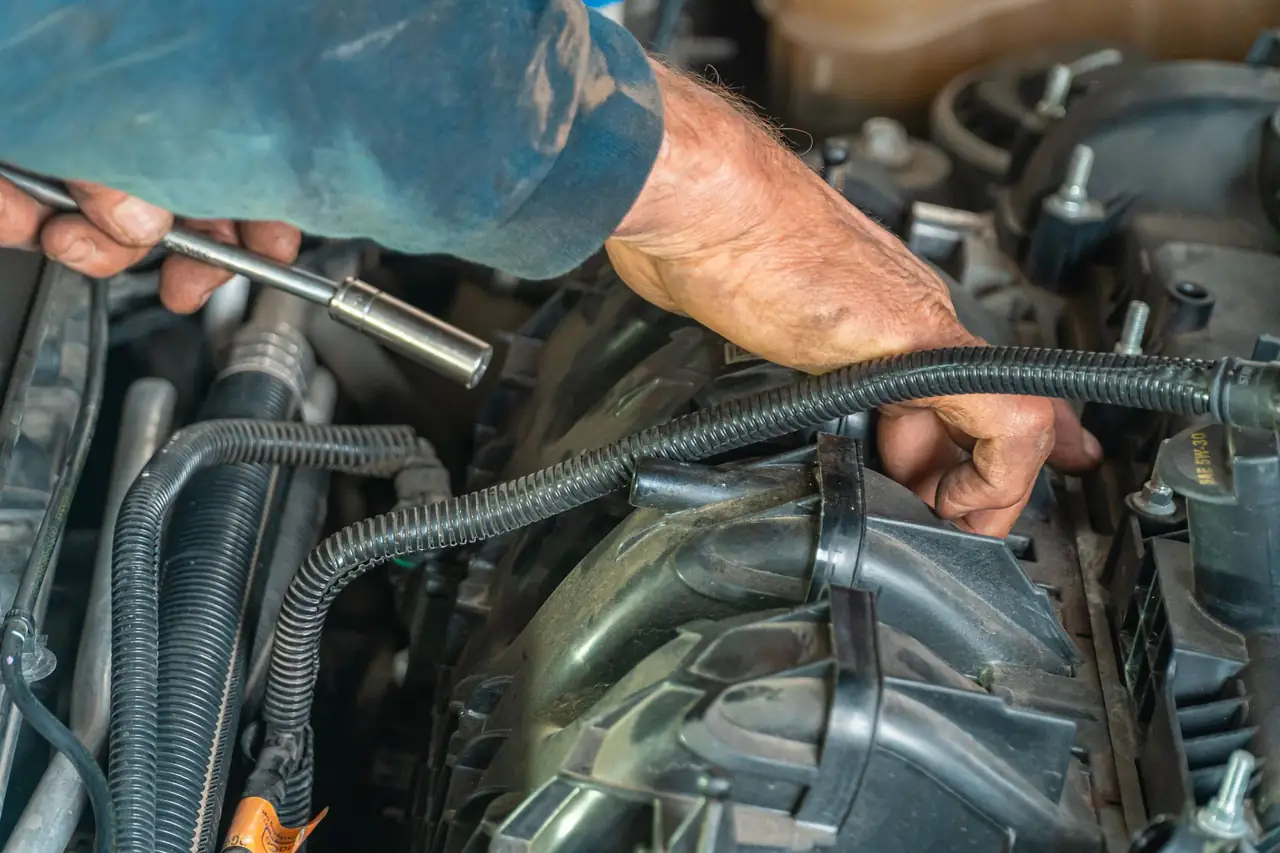
We mount a float-activated or electronic sensor 1 to 2 inches above the normal pump shutoff height. The bracket is secured to the pit wall or lid so it does not shift when the pump vibrates. We set the height based on your specific pit depth and pump brand.
We mount the alarm panel within 3 feet of the pit and run low-voltage wire to a dedicated circuit or battery backup. Connections get sealed against humidity. If you want a remote horn in a hallway or garage, we run that wire during the same visit.
We test the existing float switch with a multimeter and inspect the check valve for debris or failure. If the float sticks or the valve leaks back, we note it and quote a repair. An alarm is only useful if the pump can actually move water when it runs.
We fill the pit with a hose and watch the alarm trip while the pump cycles. This confirms the sensor height, the wiring, and the reset behavior all work together. If the alarm hesitates or false-trips, we adjust it before we leave.
If you have a battery backup system, we tie the alarm into the same 12-volt battery and test the charger output. We replace any battery reading under 12.4 volts. This way the alarm still sounds during a power outage, which is when you need it most.
We show you how to test the alarm monthly, what each chirp pattern means, and how to silence it without disconnecting it. The sensor height and wiring layout get written on the pit lid so the next technician knows what was done.
The approach is the same for a home and a business. What changes is the access, the schedule and who needs the paperwork.
We install alarms in garage pits, laundry rooms, and crawl spaces across Fort Myers. You get a loud horn and a simple monthly test.
We alarm below-grade mechanical rooms and sump pits in commercial buildings. You get a strobe and remote horn where staff can hear it.
A plain-language look at what Sump Pump Alarm Installation involves and when it is needed.
See how it worksSump pump alarm installation fort myers FL means mounting a high water sensor, a float switch, or a combination unit inside your sump pit and wiring it to a horn, strobe, or Wi-Fi dialer that reaches you. We set the trigger height above the normal pump cycle, run low-voltage wire to a power source, and test the alarm by lifting the float by hand. The job also covers a check valve inspection and a discharge line check, because an alarm only helps if the pump can actually move water.
Fort Myers sits at 5 to 10 feet above sea level in spots, and the summer wet season dumps 8 to 12 inches of rain in a single storm. When the power blinks during a thunderstorm, a submersible pump stops and the pit fills fast. A battery backup system with a working alarm gives you 6 to 10 hours of warning and pumping. We see this most in older Dean Park and McGregor homes with original cast-iron discharge lines and undersized pits.
An alarm turns a silent pump failure into a warning you can act on.

Five steps from the first call to a tested, labeled alarm. Most jobs finish in two to four hours.
We pull the lid, check the pit depth, and look for debris, gravel, or a clogged impeller. We test the existing float switch with a multimeter and note the pump brand, whether it is a Zoeller, Wayne, or Liberty Pumps unit. This takes about 20 minutes and tells us which alarm fits.
We set the sensor height 1 to 2 inches above the normal shutoff level, then mount the alarm box on a stud or joist within 3 feet of the pit. If you want a remote horn in a hallway or a Wi-Fi dialer, we run the low-voltage wire now while the pit is open.

We tie the alarm into a dedicated circuit or a battery backup system, whichever your setup uses. All low-voltage connections get sealed with dielectric grease because Fort Myers humidity eats bare copper. We follow NEC and Florida Building Code rules for the junction box and cord routing.

We lift the float by hand and confirm the horn, strobe, or app alert fires within 2 seconds. Then we fill the pit with a hose to watch the pump cycle and the alarm reset. If anything hesitates, we adjust the sensor height or replace the float switch on the spot.

We show you how to silence the alarm, how to test it monthly, and what each chirp pattern means. You get a photo of the final wiring and the sensor height written on the lid. Total time on site is usually two to four hours.

Move across a circle, or focus it and press Enter, for an illustrative thermal view of the photograph.

We test float switch continuity, battery voltage, and charger output before and after the alarm install. A float switch reading open when it should be closed tells us the switch is failing.

We vacuum gravel, silt, and filter fabric fibers out of the pit before mounting the sensor. A clean pit means the float moves freely and the alarm does not false-trip on debris.
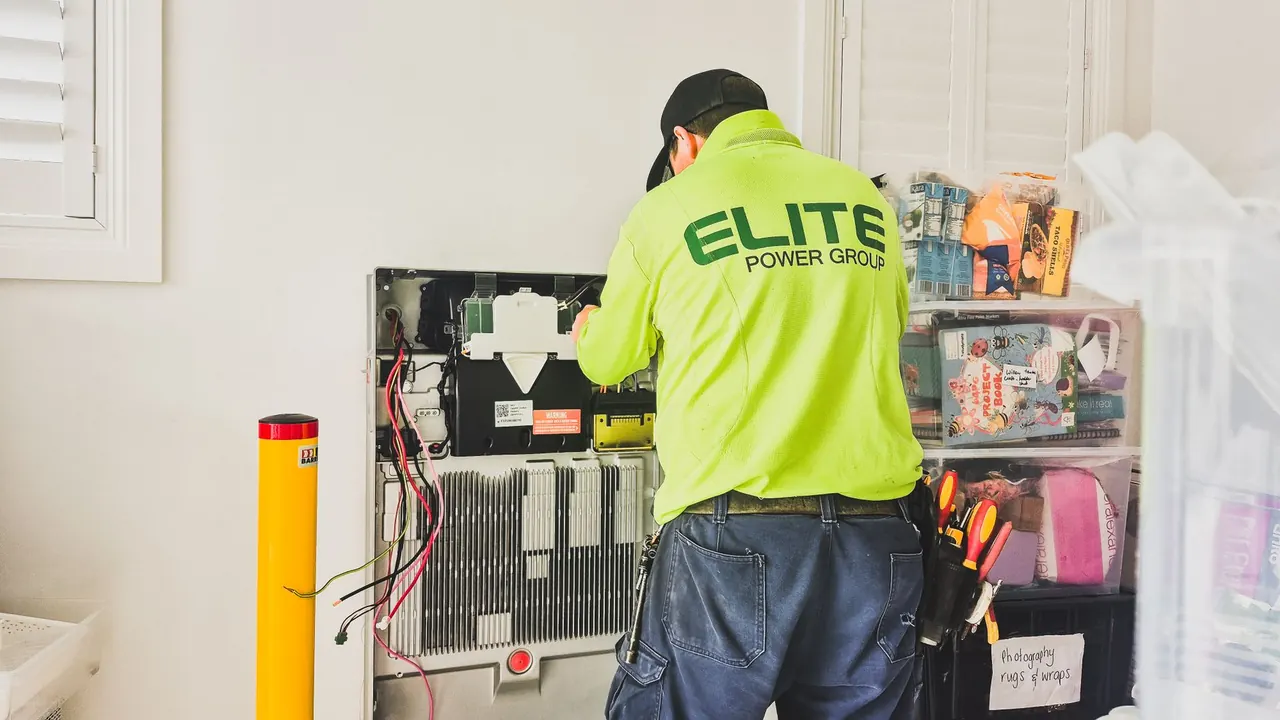
We run a snake through the discharge line to check for clogs during the alarm install. A blocked line makes the pump run without moving water, which the alarm would eventually catch.
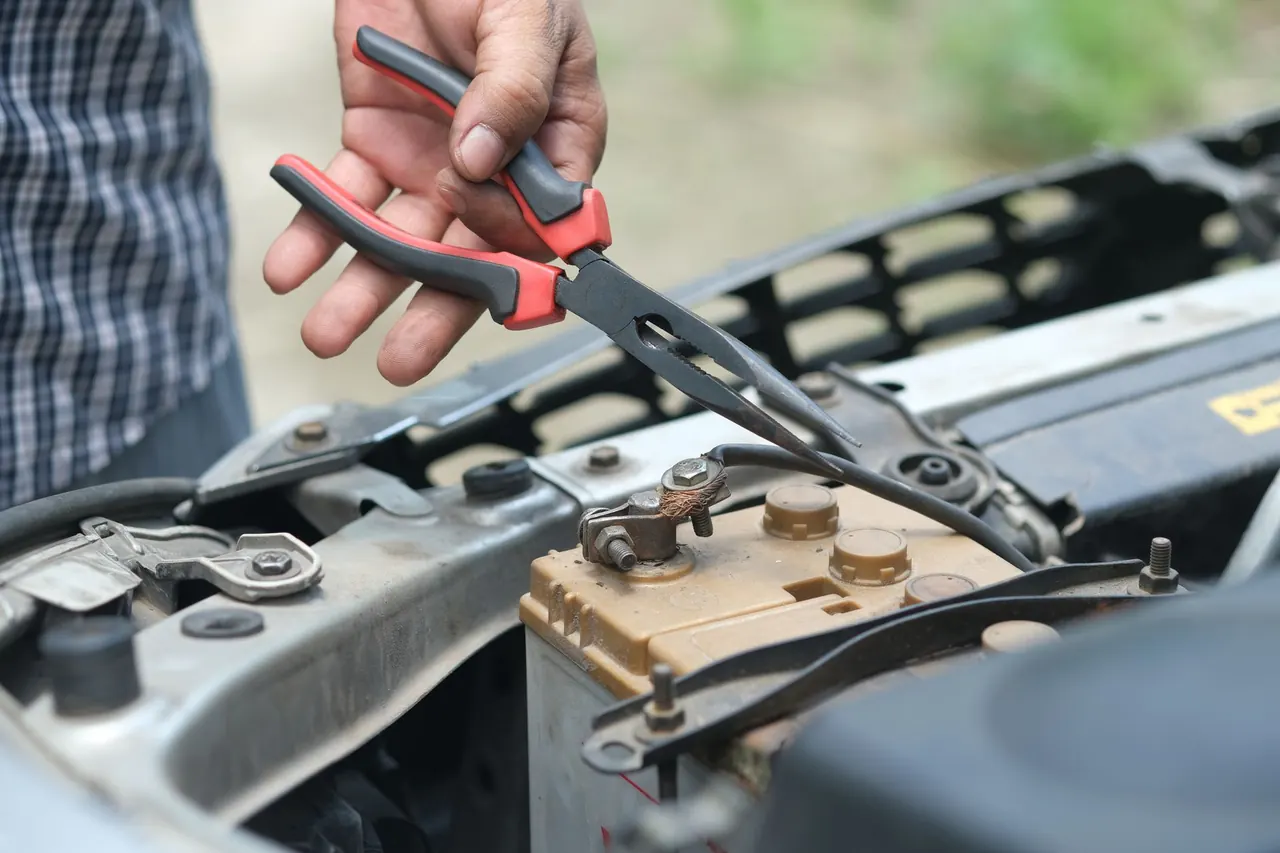
We stock float-activated high water alarms from Zoeller and Wayne on the truck. These units hold up in Florida humidity and do not false-trip the way some electronic sensors do.
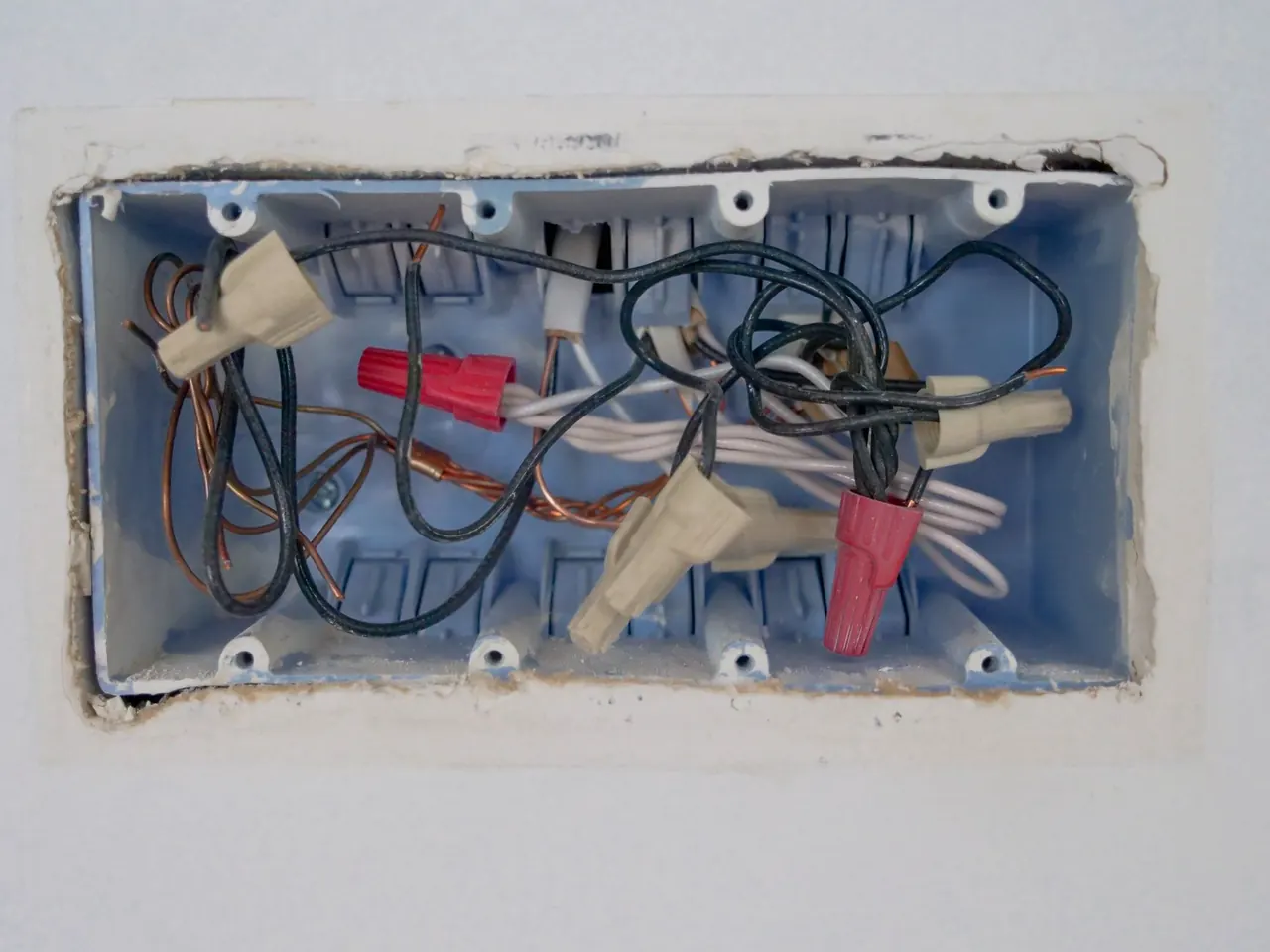
For homeowners who want battery backup integration, we install Basement Watchdog and Glentronics alarm panels. They tie into the backup battery and chirp when voltage drops.
Thermal views are illustrative, generated from the photographs.
We use a Ridgid vac with a fine filter to pull silt without clogging. The hose kit reaches the bottom of deep pits so we can clean the impeller area before mounting the sensor.
We follow NEC and Florida Building Code rules for low-voltage alarm wiring, junction boxes, and cord routing. Connections get sealed with dielectric grease because Fort Myers humidity corrodes bare copper. If an inspector checks the work later, it passes.
We set the alarm trigger 1 to 2 inches above the pump's normal shutoff height. That gap prevents nuisance trips during heavy rain while still giving you 20 to 40 minutes of warning before the pit overflows.
We fill the pit with a hose and watch the alarm trip while the pump cycles. This confirms the sensor height, the wiring, and the reset behavior all work together. If the alarm hesitates, we adjust it before we leave.
We test the backup battery under load and replace any unit reading under 12.4 volts. The alarm gets wired to the same battery so it chirps when voltage drops, giving you weeks of warning before a storm.

A 1960s Dean Park home with an original cast-iron discharge line and a shallow pit that fills fast during summer storms.
We install a high water alarm with the sensor set 1.5 inches above the shutoff point and check the discharge line for scale. If the cast iron is restricted, we quote a PVC replacement. The alarm gets wired to a battery backup so it works during outages.
Outcome: The homeowner gets 30 minutes of warning before the pit overflows, even when the power is out. They replaced the discharge line the following month and the pump now cycles normally.

A Gateway home with a finished garage and a Liberty Pumps backup system that the owner has never tested.
We test the backup battery, replace it because it reads 11.8 volts, and wire a high water alarm to the same circuit. We run a remote horn into the hallway so the alarm is audible from the kitchen. Then we fill the pit and watch both the alarm and the backup pump run.
Outcome: The owner now hears the alarm from inside the house and knows the backup battery is fresh. During the next storm, the alarm chirped when the main pump tripped a breaker and they reset it before water reached the garage.
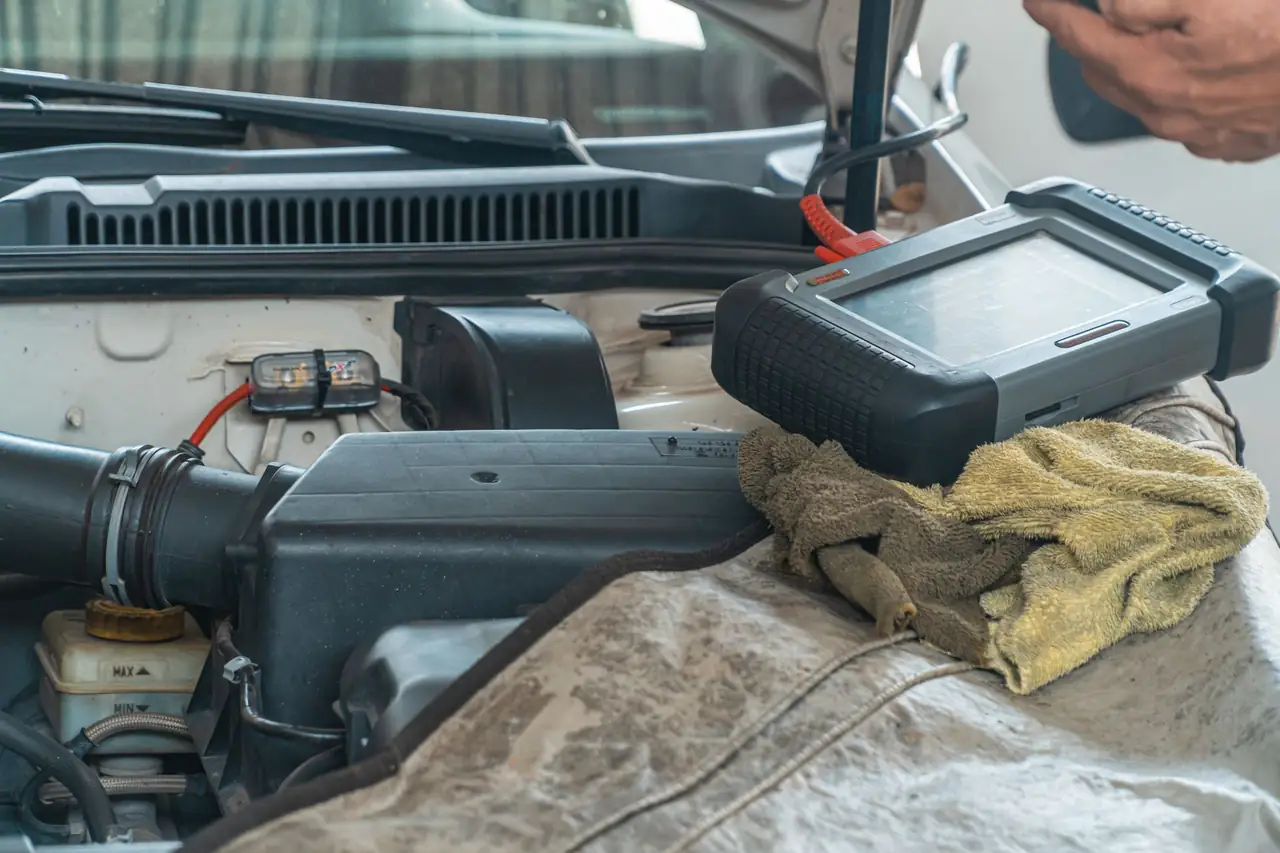
A rental property near San Carlos Park where the tenant has no idea what a sump pit does or how to tell if it is failing.
We install a simple float-activated alarm with a loud horn and label the reset button. We walk the tenant through the monthly test and leave a card with our number. The property manager gets a photo of the install and the sensor height.
Outcome: The tenant called the manager the first time the alarm sounded instead of ignoring it. The pit had a stuck float switch, which we replaced the same day. No water reached the floor and the tenant stayed put.

A Whiskey Creek home that floods every August when the water table rises and the pit inflow doubles.
We install a high water alarm with a Wi-Fi dialer that texts the owner. We also check the pit depth and recommend a larger liner because the current one fills in under 20 minutes. The alarm sensor is set to trigger early so the owner has time to act.
Outcome: The owner now gets a text before the pit reaches the rim. They added a second pump the following season, and the alarm has not false-tripped once. The August floods no longer reach the lanai.
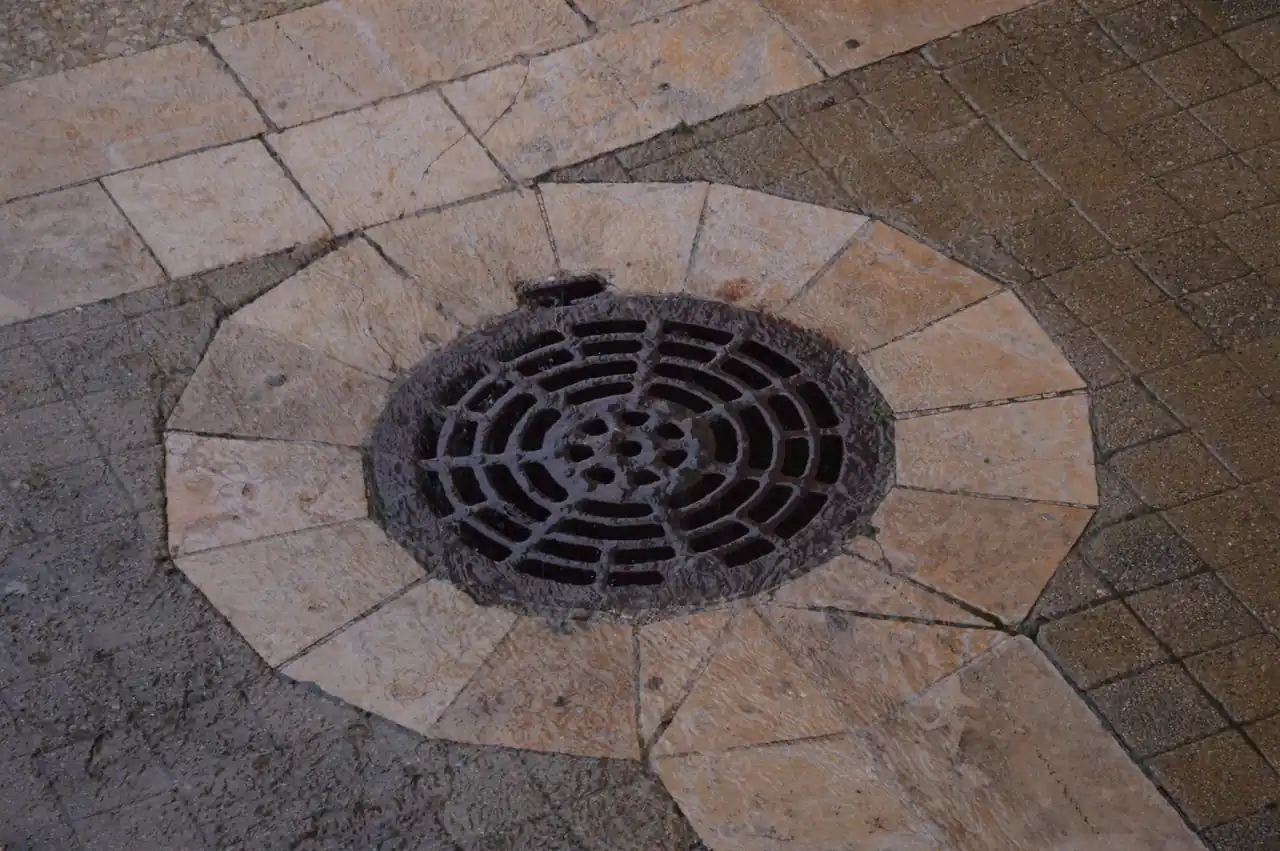
A commercial building in Downtown Fort Myers with a below-grade mechanical room and no alarm on the sump pit.
We install a high water alarm with a strobe and a remote horn at the front desk. The sensor is wired to the building's battery backup so it works during an outage. We test the alarm under load and label the panel for the maintenance crew.
Outcome: The front desk now hears the alarm before water reaches the mechanical room. During a power outage last summer, the alarm sounded and the crew started the backup pump in time. No equipment was damaged.

Fort Myers sits low and wet. The wet season runs May through October and drops 8 to 12 inches of rain in a single storm, and the water table rises fast in neighborhoods like McGregor and Whiskey Creek. Most homes here have a shallow pit, often 18 to 24 inches deep, and a submersible pump that cycles hard during storms. We set the alarm sensor higher than you would in a northern basement because the pit fills faster.
We also check the discharge line for scale and the check valve for debris, since cast-iron lines in older Dean Park and Edison Park homes restrict flow. If you need a sump pump alarm service fort myers FL during a storm, call us. We stock alarms on the truck and can install one the same day in most of Lee County. The install itself takes two to four hours, and we test under load every time.
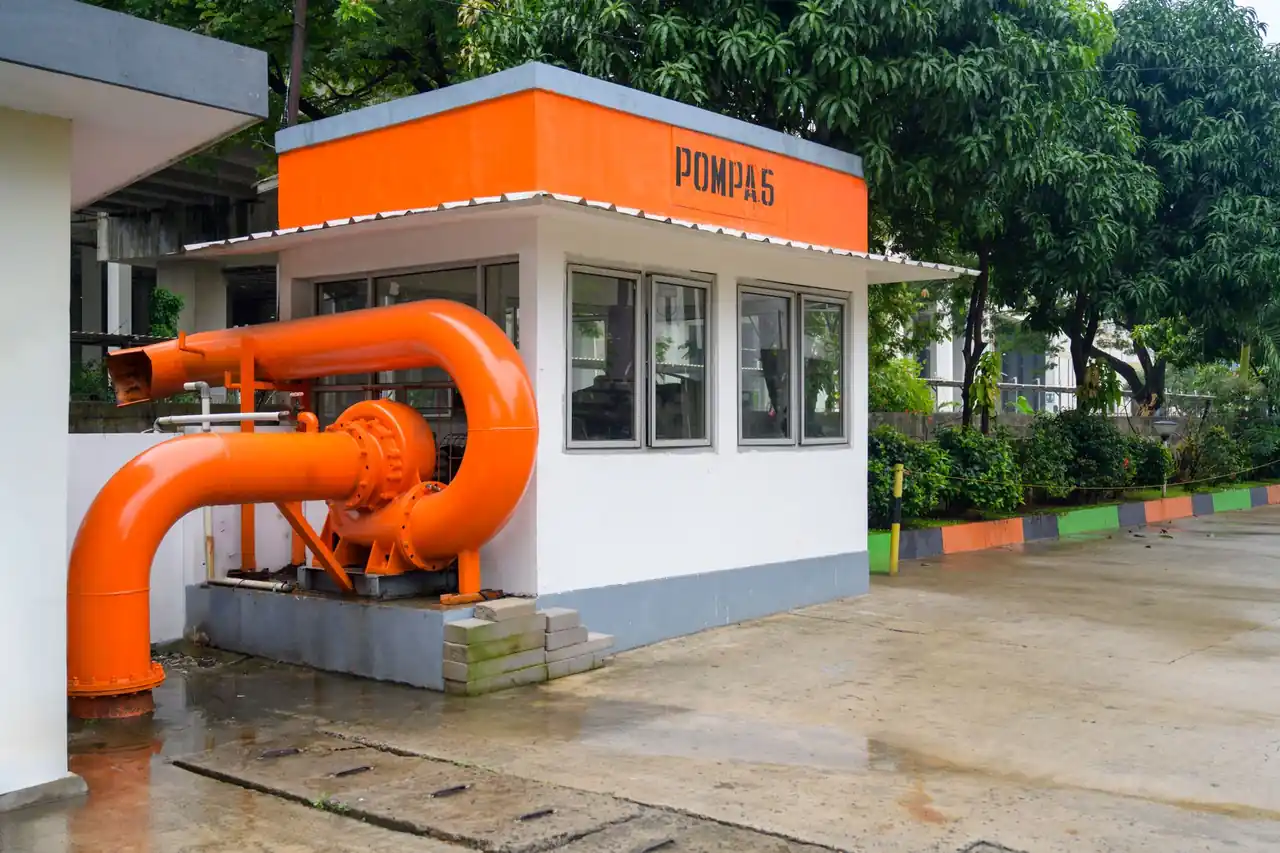
Before: A 1960s Dean Park home had a shallow pit with no alarm. The pump ran during storms but the owner had no idea when it failed. During a July power blink, the pit filled and water reached the laundry room floor before anyone noticed.
After: We installed a high water alarm with a battery backup and set the sensor 1.5 inches above shutoff. We also cleared a partial clog in the cast-iron discharge line. The alarm now gives 30 minutes of warning, and the pit has not overflowed since.
Test the alarm monthly by lifting the float. Check the battery voltage every six months and replace it when it reads under 12.4 volts. Clean the pit once a year to keep debris off the float.
Before: A Gateway homeowner had a Liberty Pumps backup system installed three years earlier and had never tested it. The battery read 11.8 volts and the alarm was not wired to the backup. A storm would have killed the backup pump with no warning.
After: We replaced the battery, wired a high water alarm to the same circuit, and ran a remote horn into the hallway. We filled the pit and watched both the alarm and the backup pump run. The owner now hears the alarm from inside the house.
Press the test button monthly and listen for the horn. Check the battery charger light every quarter. Replace the battery every three to five years, or sooner if the alarm chirps on low voltage.
Before: A rental near San Carlos Park had a stuck float switch and no alarm. The tenant did not know what the pit did, so the pump never ran during a storm. The property manager found out when the tenant reported a wet floor.
After: We replaced the float switch, cleaned the pit, and installed a float-activated alarm with a loud horn and a labeled reset button. We walked the tenant through the monthly test. The next time the alarm sounded, the tenant called instead of ignoring it.
Have the tenant lift the float monthly and confirm the horn sounds. Schedule a yearly maintenance visit to clean the pit and test the switch. Replace the alarm battery every two years.
Most sump pump failures are silent. The pump stops, the pit fills, and you find out when the floor is wet. An alarm turns a silent failure into a warning you can act on.
You hear about a failing pump before water reaches the floor.
A high water alarm triggers at 1 to 2 inches above the normal shutoff point, giving you 20 to 40 minutes to act before water hits the slab. In a 33916 home with a finished garage, that window is the difference between a wet vac job and a full drywall replacement.
When a storm knocks out power, a battery backup system with an alarm keeps the pit from overflowing silently. We wire the alarm to the same 12-volt battery so it chirps when the backup battery drops below 11.5 volts, not after the pump dies.
The alarm sounds the moment water rises past the float, so you know the switch jammed on debris instead of finding out at 2 a.m. with an inch of water in the utility room.
A sump pump alarm installation cost fort myers FL runs a fraction of what a flooded floor costs to dry and rebuild. For most homes, the alarm pays for itself the first time it catches a clogged discharge line or a dead backup battery.
What a written scope covers and what shapes it. Prices are set by the business after the first look.
Included
Depends on
Clear records you can keep and share.

Final wiring and sensor height
Alarm trip time and reset check
Pump brand and pit depth recorded
Monthly test steps for you
The sensor type decides whether you trust the alarm when it sounds.
Mechanical float that rises with water
Probe that detects water contact
Sends phone alerts when float trips
A list like this tells people straight away whether you cover their street. Not listed? Call and ask: it only takes a minute.
Based in fort myers and covering the places around it. Pick one for local details.
The price depends on whether we run new wire, how far the alarm box sits from the pit, and whether the existing float switch needs replacing. We give you a flat quote before we start, so there are no surprises when the job is done.
Yes, if your sump pit sits below your slab or your pump runs during the wet season. Fort Myers gets 8 to 12 inches of rain in a single summer storm, and a power blink can stop your submersible pump for hours. An alarm gives you 20 to 40 minutes of warning before water reaches the floor. Without one, you find out about a failure when your garage is already wet.
It works when the power is out, it does not false-alarm from humidity like some electronic sensors, and it is easy to test monthly. If you want phone alerts, we can add a Wi-Fi dialer that texts you when the float trips. We install Zoeller, Wayne, and Basement Watchdog units that hold up in Florida heat.
Sump Fix Masters installs sump pump alarms across Lee County, from Downtown Fort Myers to San Carlos Park. Call +12392350546 and we will schedule a same-day quote. Most alarm installations take two to four hours, and we carry the parts on the truck.
Other services from the same team.
Call now and we will schedule a same-day quote, test your pit, and tell you exactly which alarm fits your pump and your power setup. No guesswork, no pressure.
Call us at +12392350546 or send a message and we will get back to you the same business day. We answer questions about pump repair, replacement, and battery backups before you commit to anything. If your pit is filling now, call instead of writing.