For Homes
We install pumps for homeowners, renters, and landlords across Fort Myers. Every job ends with a live cycle test you watch before we pack up.
- Crawl space flooding
- Basement slab water
- Storm outage backup
When you need sump pump installation Fort Myers FL homeowners can count on, we handle the whole job: pit prep, pump sizing, discharge routing, and a full test before we leave. We install submersible and pedestal pumps for basements, crawl spaces, and low-lying slabs across Lee County. If your old pump quit after a storm or your pit keeps overflowing, call us and we will get a new system in and running.
 Pit measuredFloat setCycle tested
Every install we do covers the pump, the pit, the discharge, and the test. What changes from job to job is the pump type, the pit condition, and how far the discharge has to run. Here is what is in a standard install, and what we add when your setup calls for it.
We supply and set a submersible pump or pedestal pump sized to your pit volume and discharge lift. The float switch is set to trigger early, before the pit tops out. We test the travel so it starts and stops at the right water level, not a guess.
We vacuum out pit debris with a wet/dry shop vac, then reset or install the sump pump liner on fresh gravel and filter fabric. That keeps silt out of the impeller and gives the pump a solid, level base. A clean pit is half of a reliable pump.
PVC discharge pipe runs from the pump to a legal outfall, with a check valve so water cannot drain back into the pit. We use hose clamps at every joint and slope the line so it drains. That is what keeps the pump from short cycling.
We wire the pump to a dedicated circuit and verify it with a multimeter before closing anything up. Work is done to NEC standards. If the circuit needs work, we tell you before we start, not after.
If you want backup power, we add a battery backup system with a dedicated battery and charger. The secondary pump takes over automatically when the grid drops. Given how often Fort Myers loses power in storm season, we recommend it on most new installs.
We fill the pit with water and watch a complete cycle. You see the pump start, move water, and shut off. We check the check valve holds and the float switch resets. Nothing gets signed off until it works in front of you.
The approach is the same for a home and a business. What changes is the access, the schedule and who needs the paperwork.
We install pumps for homeowners, renters, and landlords across Fort Myers. Every job ends with a live cycle test you watch before we pack up.
We handle pumps for property managers, landlords, and small commercial buildings in Lee County. Discharge routing and code compliance are part of every job.
A plain-language look at what Sump Pump Installation involves and when it is needed.
See how it worksSump pump installation Fort Myers FL is the process of setting a pump, pit, discharge line, and check valve so groundwater gets moved away from your foundation before it reaches your floor. We dig or clean out the sump pit, set the liner in gravel and filter fabric, then mount a submersible pump or pedestal pump on a solid base. From there we run PVC discharge pipe through the wall, add a check valve so water cannot drain back, and wire the float switch so the pump kicks on at the right level.
Fort Myers sits low and flat, and summer storms drop two to four inches of rain in an afternoon. That water has nowhere to go but under your slab or into your crawl space. A new sump pump installation in Fort Myers Florida gives that water a place to collect and a way out. We see it most in homes near the river and in older neighborhoods where the original drainage was never sized for this much rain.
A sump pump is only as good as the pit, the float setting, and the discharge route around it.
From the first call to the final test, here is exactly what happens when we install a sump pump at your Fort Myers property.
You call, we ask about your pit size, water volume, and whether you have a basement or crawl space. We schedule a visit, usually same-day or next-day. On site we check the pit, look for pit debris, and measure the lift from the pit floor to the discharge outfall.
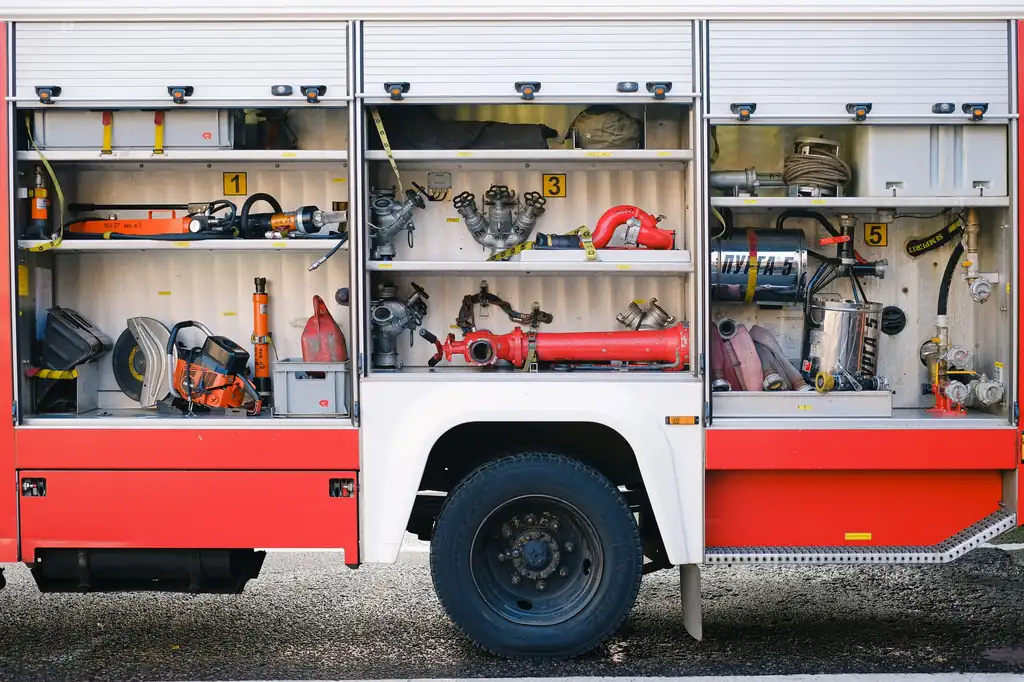
We size the pump to your numbers, not a guess. That means picking between a submersible pump and a pedestal pump, choosing horsepower, and matching the float switch type. We stock Zoeller, Wayne, Liberty Pumps, Little Giant, and Superior Pump so you are not waiting a week on a part.
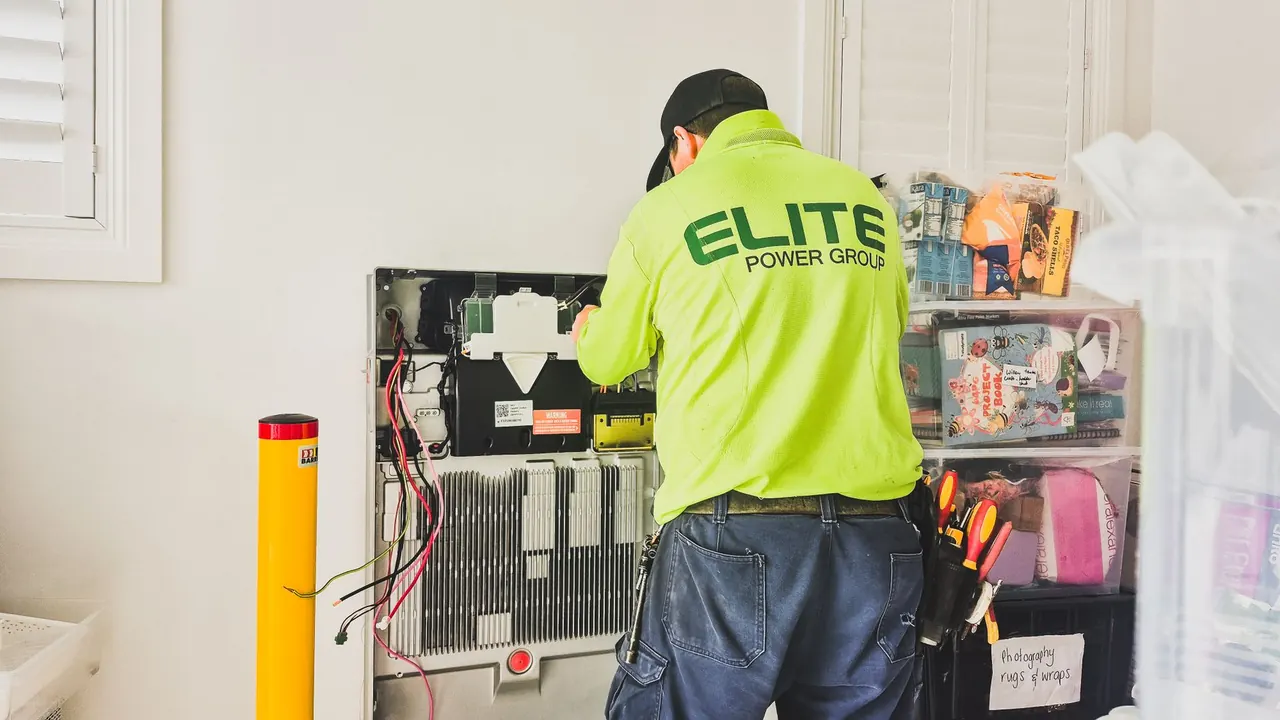
We vacuum out the pit with a wet/dry shop vac, clear any clogged impeller risk, and reset the liner on fresh gravel and filter fabric. The pump goes in level, the float switch is set, and the discharge line is dry-fitted before anything is glued.
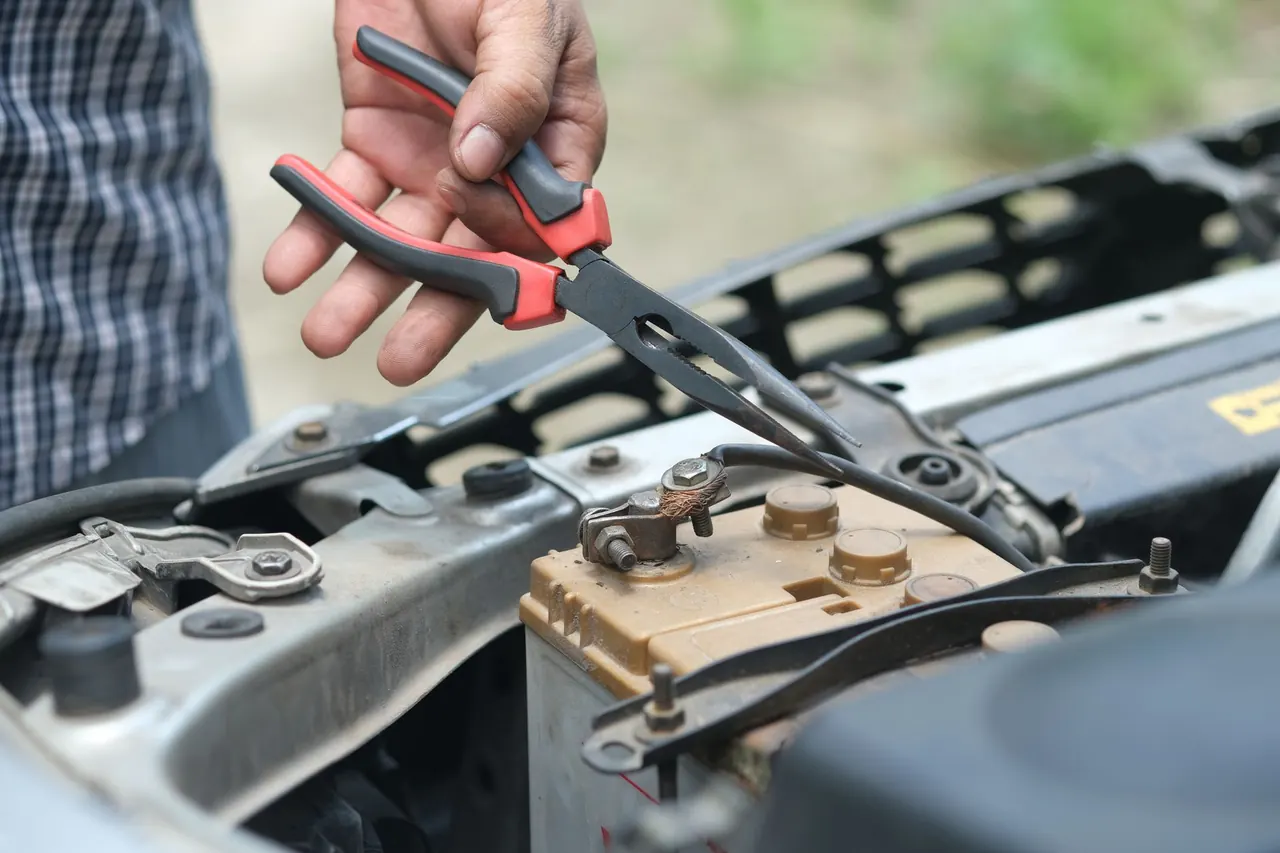
PVC discharge pipe gets run to the outfall with a check valve and hose clamps at each joint. We wire the pump to a dedicated circuit and verify the float switch trips at the right water level. A multimeter check confirms the circuit is clean before we close anything up.
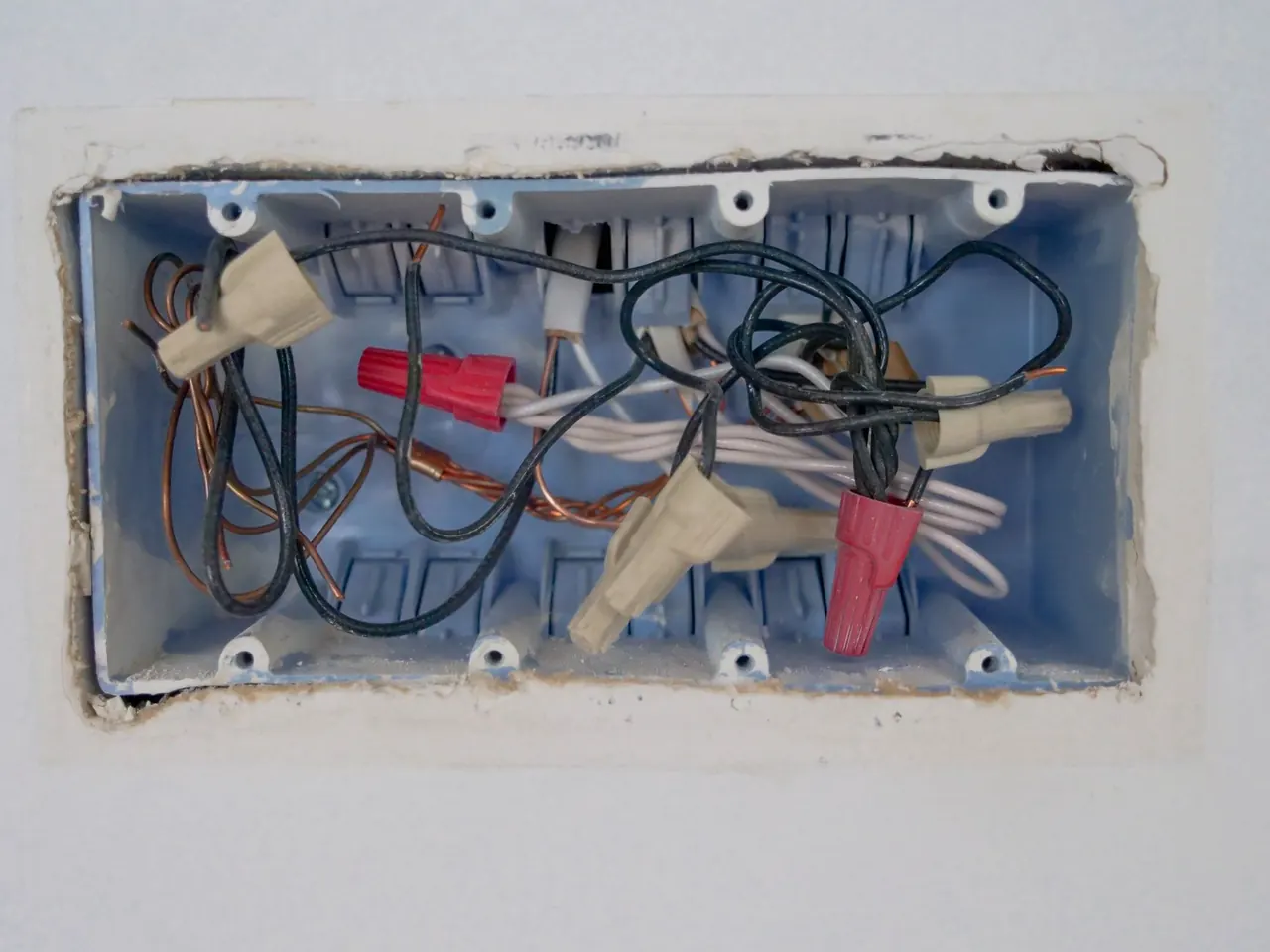
We fill the pit with water and watch the pump cycle. You see it start, pump, and shut off. We show you the check valve, the float switch, and the backup battery if you added one, then leave the pit clean. The whole job usually runs two to four hours.

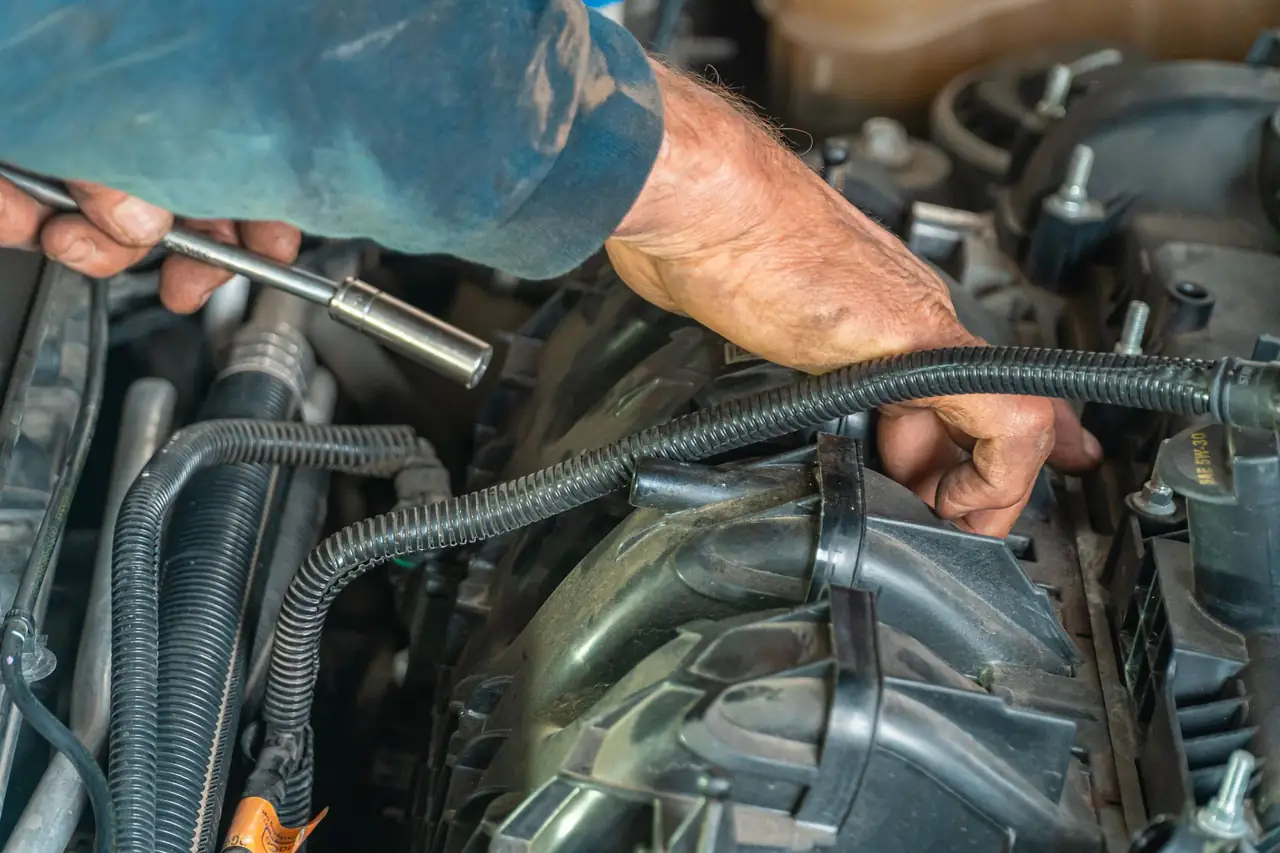
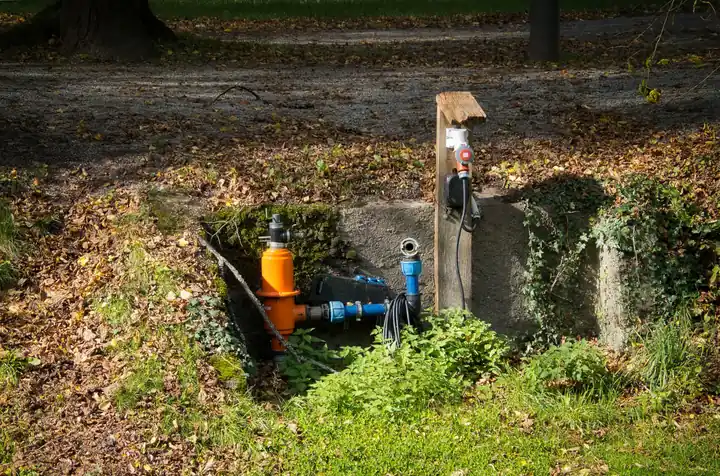
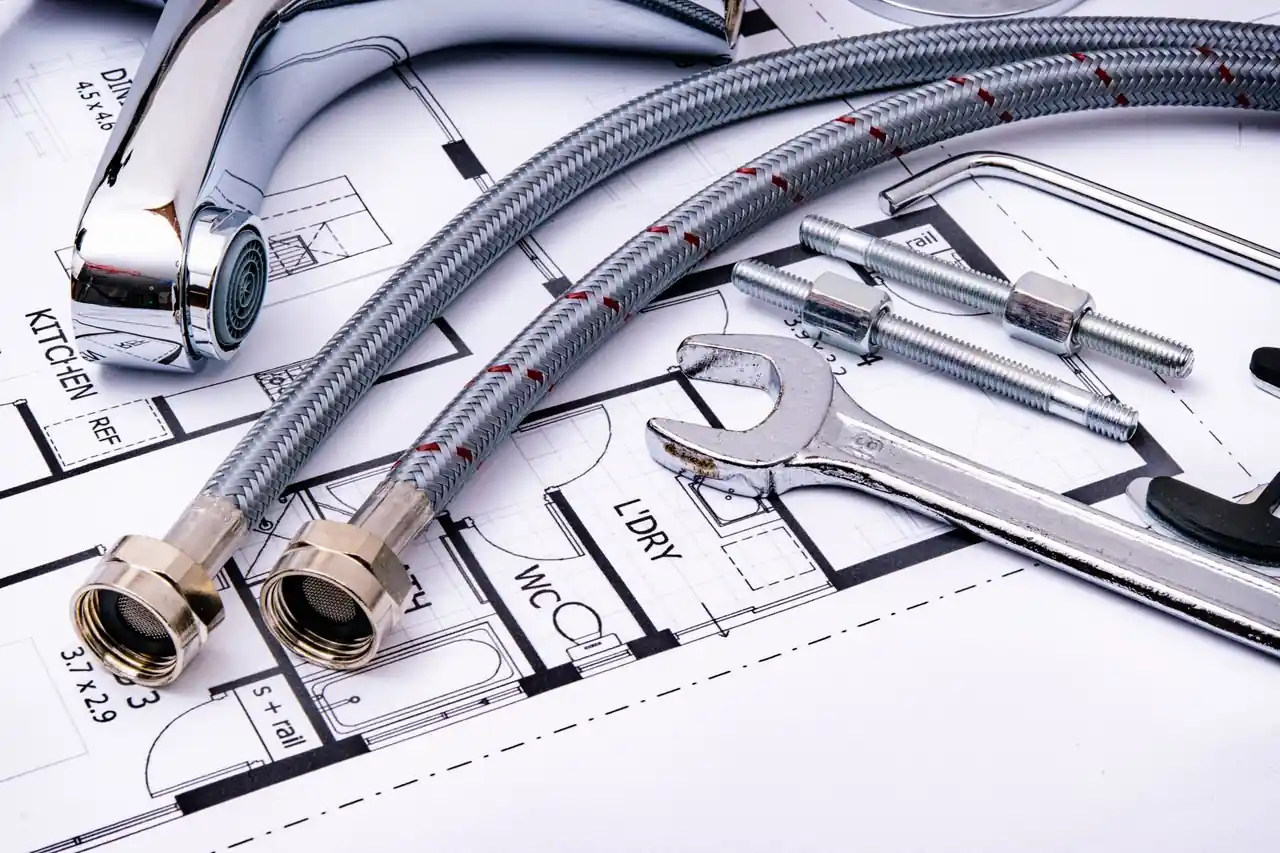
Move across a circle, or focus it and press Enter, for an illustrative thermal view of the photograph.
We stock Zoeller, Wayne, Liberty Pumps, Little Giant, and Superior Pump units so we can match the pump to your pit and discharge lift on the first visit.
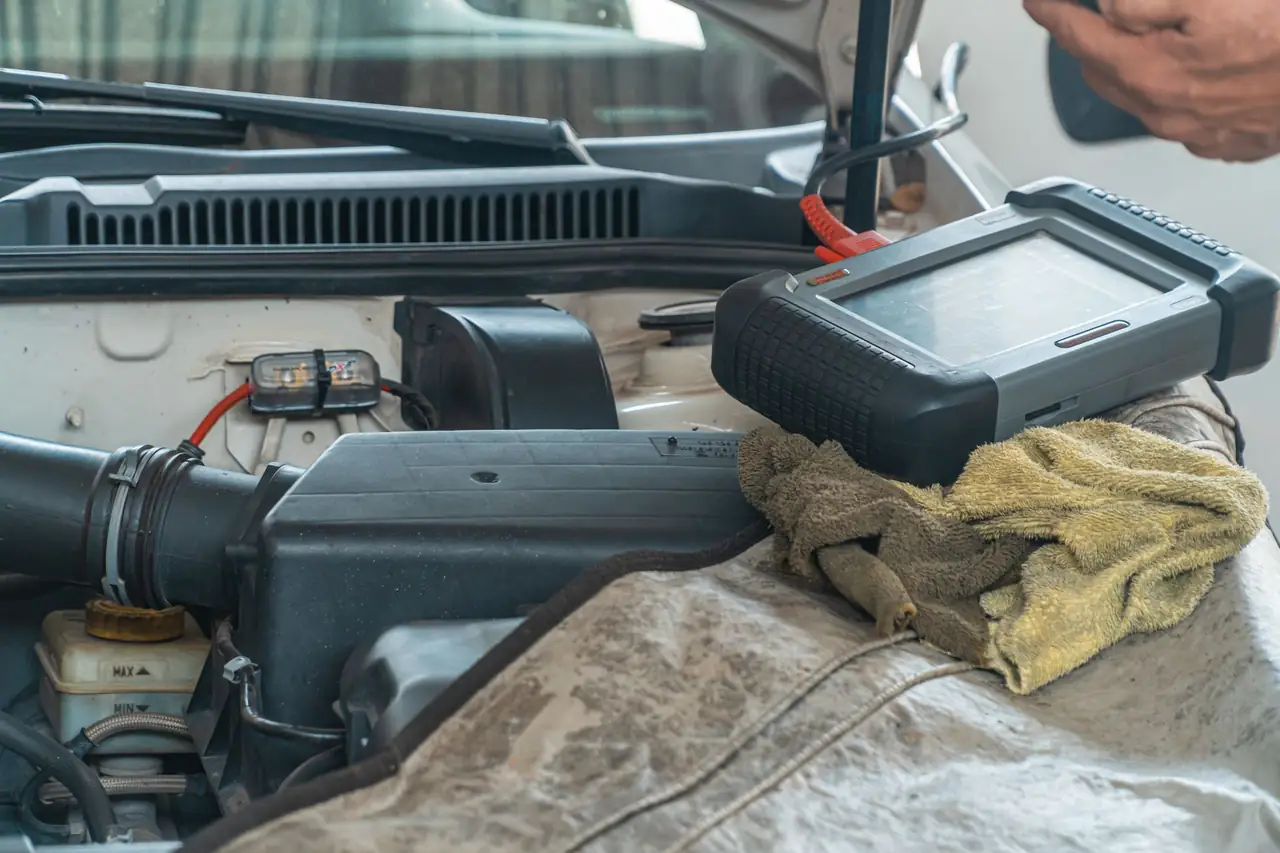
The two parts that fail most. We carry replacements for both and test the travel and hold on every install before we leave.
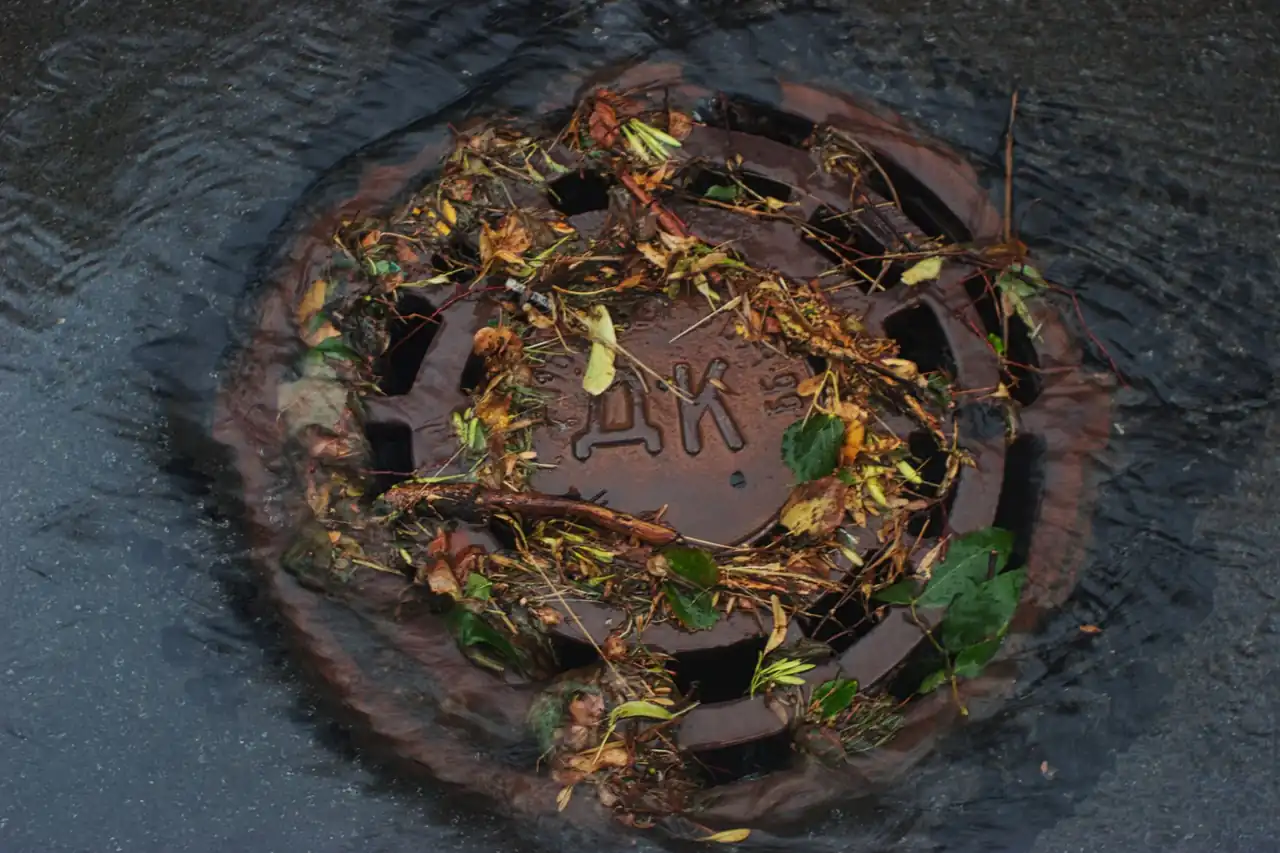
Used to empty the pit and pull out pit debris, gravel, and silt before we set the liner and pump. A clean pit protects the impeller.
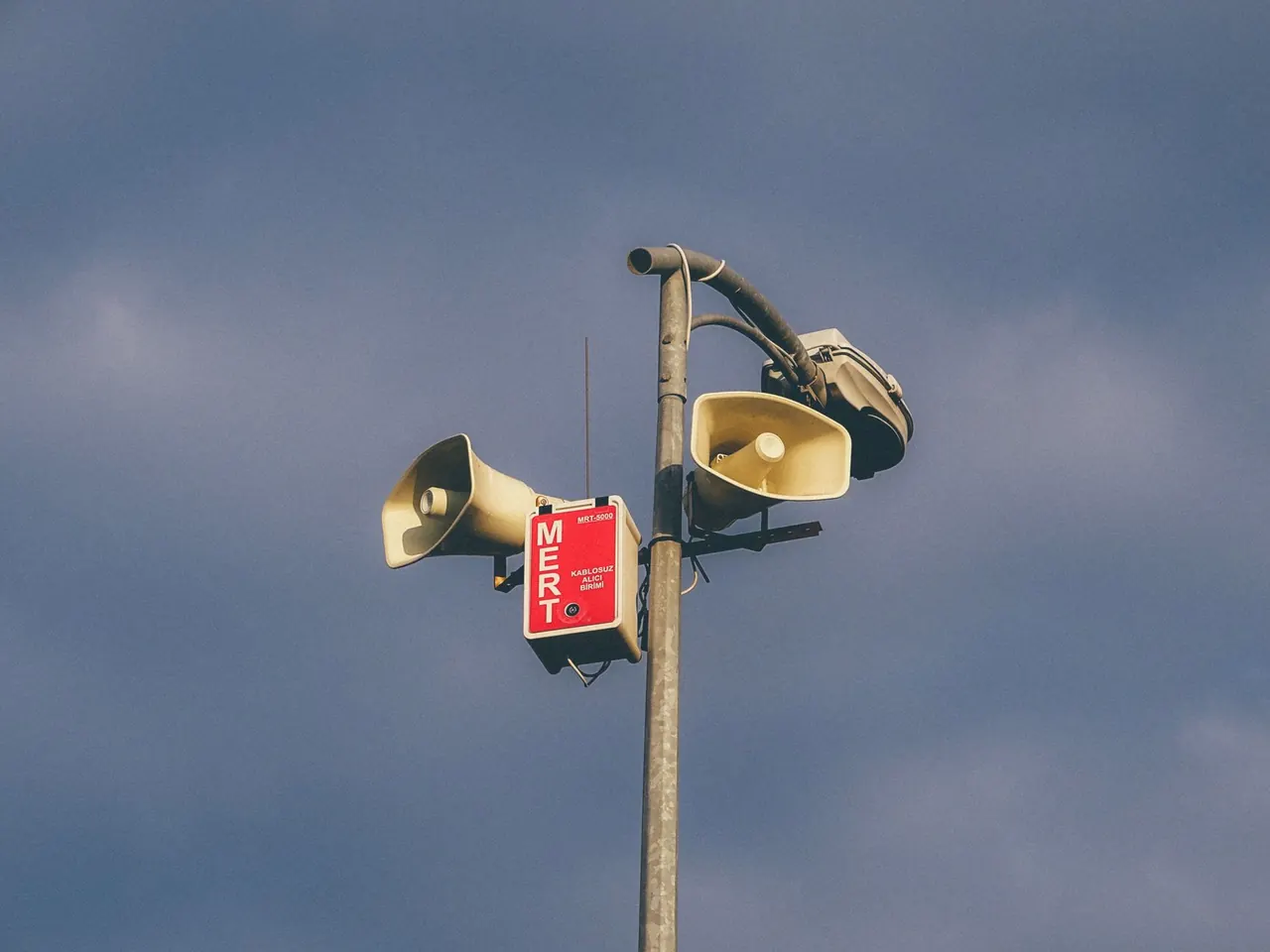
Clears a clogged discharge line without cutting pipe when the blockage is soft. Saves you the cost of a full line replacement.
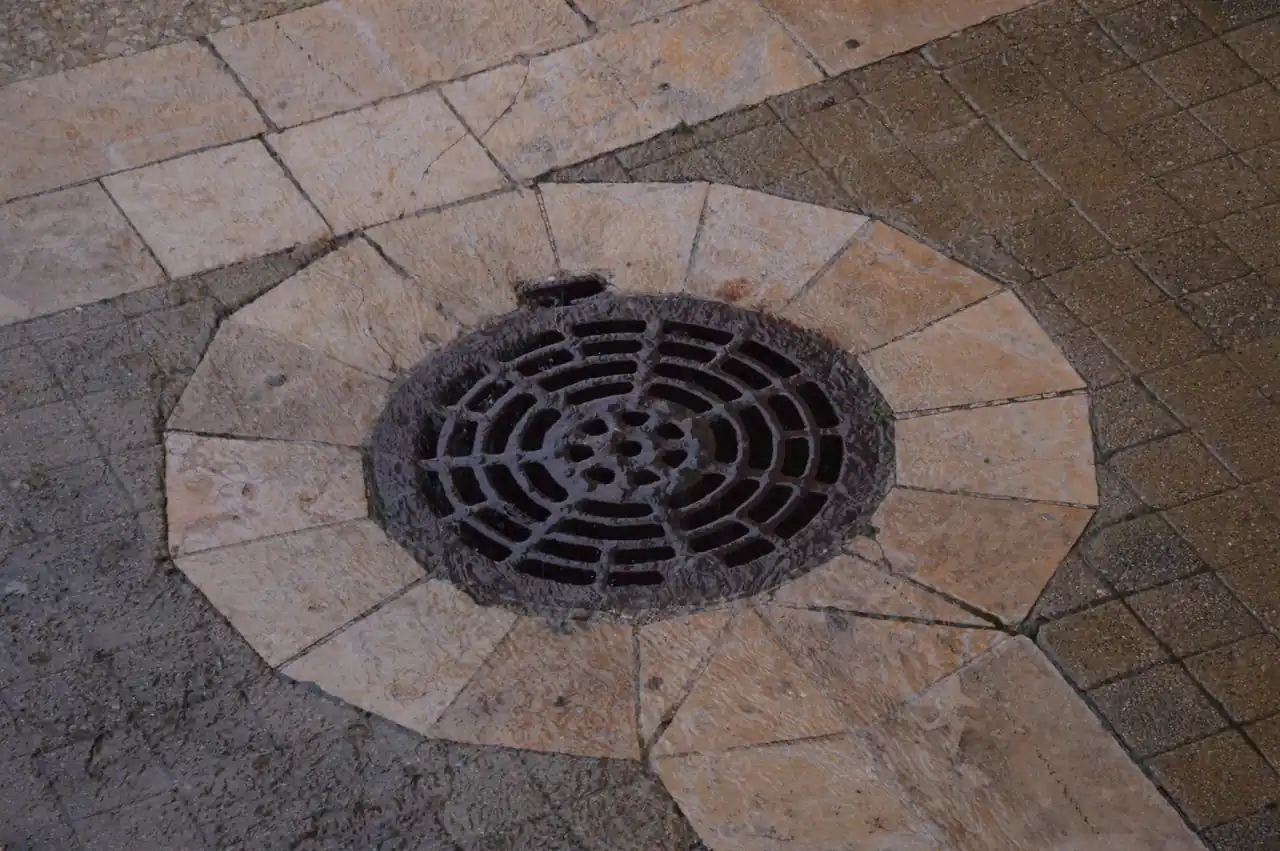
Confirms the circuit is clean and the pump is drawing the right amperage. Catches a failing motor before it burns out completely.
Thermal views are illustrative, generated from the photographs.
Includes the secondary pump, battery, and charger. We test it under load so it works when the grid drops during a storm.
Mounts in the pit at a set level and sounds before the water reaches your floor. Cheap insurance for crawl spaces and finished basements.
We measure the pit and the vertical lift to the outfall, then match horsepower and impeller to those numbers. That is how we avoid an undersized pump that cannot keep up or an oversized one that short cycles. Sizing is the step most installs skip.
Discharge has to leave the property without dumping on a neighbor or running back to the foundation. We route PVC discharge pipe to a legal outfall and check it against Florida Building Code and local plumbing code. If a permit is needed, we pull it.
We fill the pit and watch a full cycle before we leave. The pump starts, moves water, and shuts off, and we check the check valve holds. You see it work. That is the only test that matters.
Pump circuits get wired to NEC standards and verified with a multimeter. We check the dedicated circuit, the connection, and the float switch wiring. No extension cords, no shortcuts, no mystery wiring left behind.

Your crawl space floods every rainy season and the old pump cannot keep up.
We measure the water volume, check the pit size, and install a submersible pump sized for the load. We reset the liner on fresh gravel and filter fabric, then route the discharge to a legal outfall. If the pit is undersized, we correct that too.
Outcome: A crawl space that stays dry through the wet season, with a pump that cycles normally instead of running nonstop.
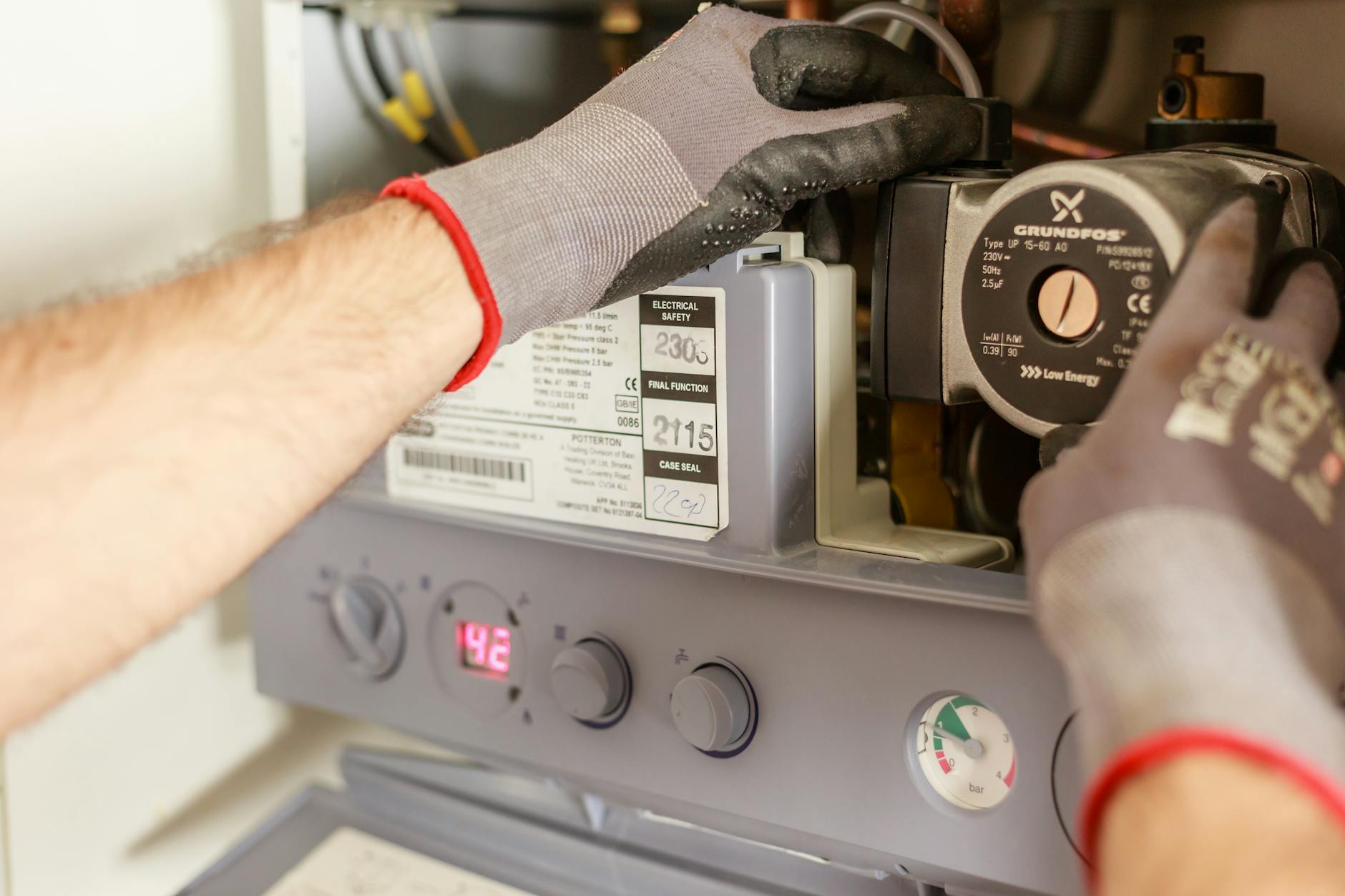
You bought a home in Lee County and the inspection flagged a dead or missing pump.
We install a new pump, float switch, and discharge line, then test the full cycle while you watch. If the pit needs a liner or the discharge needs rerouting, we handle that in the same visit. You get a working system, not a to-do list.
Outcome: A code-correct install you can show your insurer or buyer, with a pump that is ready for the next storm.
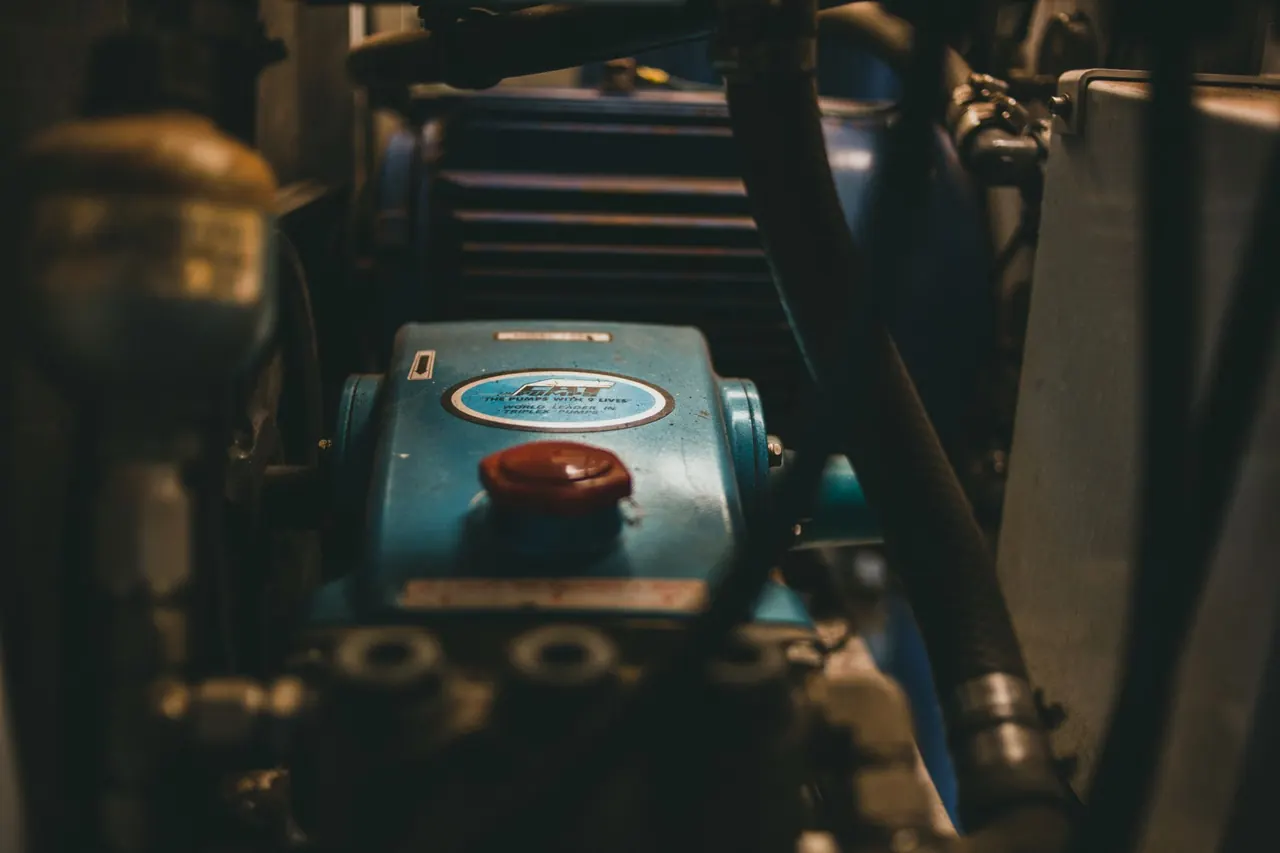
A storm knocked out power for six hours and your pit filled up with no pump running.
We install a battery backup system alongside your primary pump. The backup runs on battery when the grid drops, and we test it under load. We also check the primary pump and float switch while we are there.
Outcome: Coverage through the next outage, with a backup pump that takes over automatically instead of you bailing by hand.
Your basement bathroom or laundry drains to a pit and the ejector pump has failed.
We repair or replace the sewage ejector pump, check the float switch and venting, and test the discharge. Same crew, same code-correct approach. We confirm the pit is sealed and vented right before we call it done.
Outcome: Working drains in the basement again, with no backups and no smell, and a pump sized for the fixture load.

Your pump runs constantly and your electric bill jumped.
We troubleshoot the whole chain: float switch, check valve, impeller, and discharge line. A stuck switch or a failed check valve is usually the cause. We fix the actual problem instead of selling you a pump you do not need.
Outcome: A pump that cycles normally, a lower electric bill, and a motor that is not cooking itself to failure.
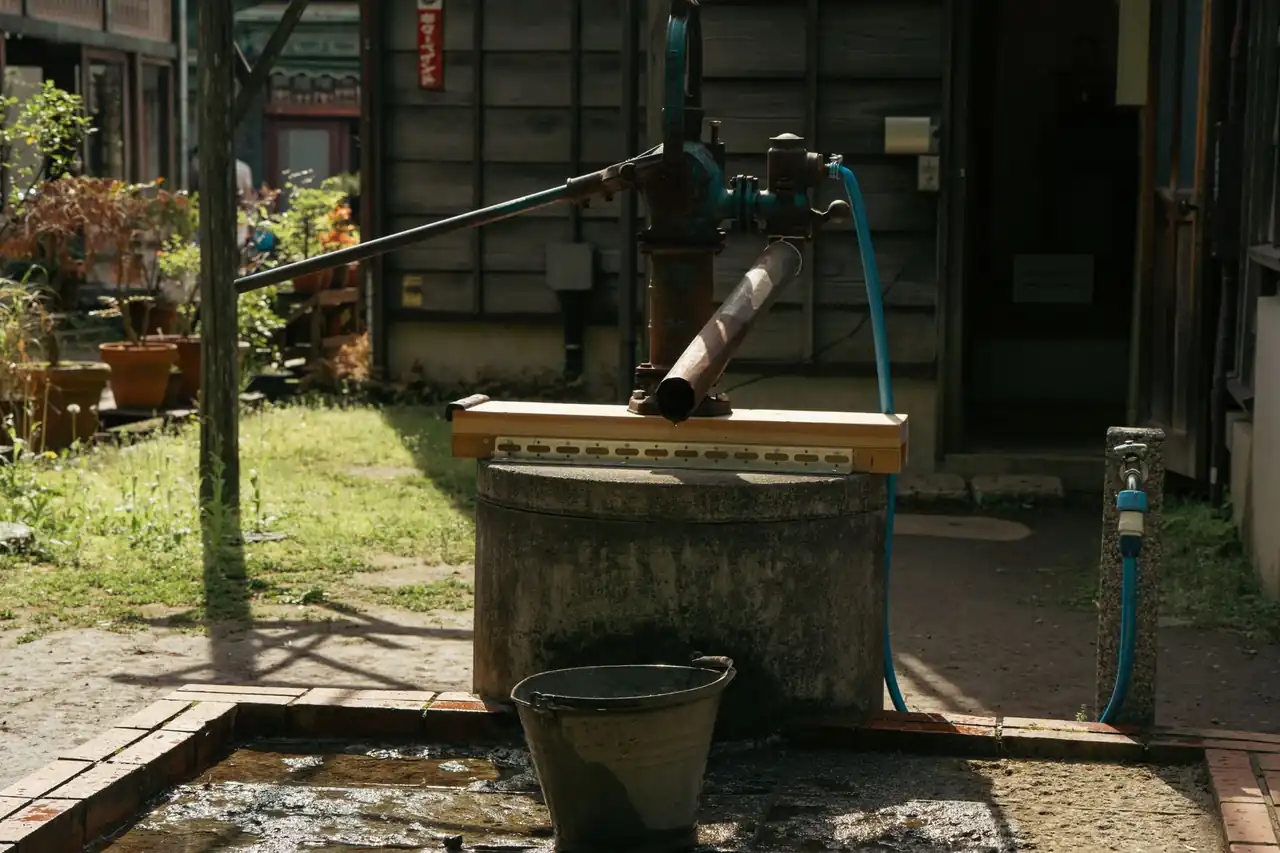
Fort Myers is flat, low, and wet. Summer storms drop two to four inches in an afternoon, and the ground is already saturated by July. That means a sump pump here works harder than one in a drier climate, and it needs to be sized for volume, not just for a trickle.
We install new sump pump installation in Fort Myers Florida with that in mind: bigger pits, early-triggering float switches, and discharge lines that get water well away from the slab. Older homes near the river often have undersized pits or no liner at all, so we reset those on gravel and filter fabric.
Newer builds in Gateway and Reflection Isles usually just need the pump sized right and the discharge routed legally. We also see a lot of battery backup system installs, because storm-season outages are a when, not an if. If you are pricing sump pump installation cost Fort Myers FL, the local conditions are part of the number. A pump that works in a dry climate can fail here in one season.
Before: The homeowner had an old pump that could not keep up with summer storms. The pit topped out twice in one season, and water reached the slab both times. The float switch was stuck and the discharge line was partly clogged with silt.
After: We cleared the pit, reset the liner on fresh gravel and filter fabric, and installed a larger submersible pump with a new float switch and check valve. The pit now cycles normally through a three-inch rain, and the slab has stayed dry.
We told them to run a test cycle before each storm season and clear any debris from the pit. A yearly check on the float switch and check valve keeps it that way.
Before: A six-hour outage during a storm left the pit filling with no pump running. By the time power came back, the motor had seized from running dry, and the basement carpet was soaked. The pump was three years old but had no backup.
After: We installed a new submersible pump plus a battery backup system with a dedicated battery and charger. We tested the backup under load. The next outage, the backup ran the pit for four hours and the floor stayed dry.
We check the backup battery under load once a year and replace it when it stops holding a charge. The primary pump gets a cycle test at the same visit.
Before: The old discharge line dumped water right at the foundation, so the pump was moving the same water twice. It short cycled constantly, the motor ran hot, and the check valve had failed. The homeowner was on their third pump in four years.
After: We rerouted the PVC discharge pipe to a legal outfall that slopes away from the house, replaced the check valve, and reset the float switch travel. The pump now cycles a few times an hour instead of every few minutes, and the foundation stays dry.
Keep the outfall clear of leaves and debris and check the discharge slope each spring. A quick look at the check valve during the yearly service catches a failure early.
Most sump pump calls come down to a handful of failures. Here is what we see most in Fort Myers and how we fix it.
A dry floor through storm season, with a pump that cycles normally.
A pump sized to your pit volume and head height clears water fast enough to keep up with heavy rain. We match the impeller and discharge diameter to your actual lift, so the pump is not fighting itself. Most homes we set up handle 1,800 to 3,000 gallons per hour at the discharge point.
Overflow usually means the float switch is stuck or the pump is undersized. We set the float switch travel so it triggers early, before the pit tops out. That single adjustment is the difference between a dry slab and a wet one when a storm stalls over Fort Myers for three hours.
Power outages and sump pumps do not mix. We install a battery backup system with a dedicated battery and charger, so the secondary pump runs when the grid drops. That covers the gap during afternoon outages, which are common here in hurricane season.
Discharge has to leave the property without dumping onto a neighbor or back into the pit. We route PVC discharge pipe to a proper outfall, add hose clamps at every joint, and check the check valve holds. That keeps you inside Florida Building Code and local plumbing code.
What a written scope covers and what shapes it. Prices are set by the business after the first look.
Included
Depends on
Clear records you can keep and share.

Pit and discharge before and after
Model and horsepower we installed
Cycle test result and float setting
What we did and what to watch
Both move water. The difference is where the motor sits and how much service access you want.
Motor sits in the water inside the pit.
Motor stays above the water on a column.
Secondary pump runs on battery when power drops.
A list like this tells people straight away whether you cover their street. Not listed? Call and ask: it only takes a minute.
Based in fort myers and covering the places around it. Pick one for local details.
A basic submersible swap sits at the low end. A new pit, liner, battery backup system, and long discharge run push toward the top. We give you a written price before we start, so you know the number up front.
We do. Sump Fix Masters installs submersible and pedestal pumps, battery backup systems, and discharge lines across Fort Myers and Lee County. Our techs handle pit prep, float switch setup, check valve install, and wiring. We carry the common brands and fittings on the truck, so most jobs finish in one visit.
A straight pump swap takes about two hours. A full new install with pit prep, liner, discharge routing, and a battery backup usually runs three to four hours. If we need to cut a new discharge path through a block wall or run a long line to the outfall, add an hour. We tell you the window when we schedule.
Sometimes. A simple like-for-like pump replacement usually does not need one. A new pit, a new discharge line, or any electrical work tied to the install often does. We check the requirement for your address and pull the permit when it applies. That keeps the work inside Florida Building Code and local plumbing code.
Other services from the same team.
Call now and we will size the right pump for your pit, give you a written price, and get it installed before the next storm. We are local, we carry the parts, and we test every pump before we leave. One call gets it handled.
Call us at +12392350546 or send a message and we will get back to you the same business day. We answer questions about pump repair, replacement, and battery backups before you commit to anything. If your pit is filling now, call instead of writing.