For homeowners
Your sump pump protects your basement, crawlspace, and foundation from water damage. We inspect the full system and show you what we find.
- Pump runs but pit stays full
- Pump cycles on and off
- Backup battery will not charge
A sump pump inspection fort myers FL homeowners can schedule in a single visit covers the pump, float switch, check valve, discharge line, and pit condition before the next heavy rain. We serve homeowners across Lee County, from McGregor to Gateway, and we test under real load, not just a visual glance. If your pump has not been checked since last wet season, book now.
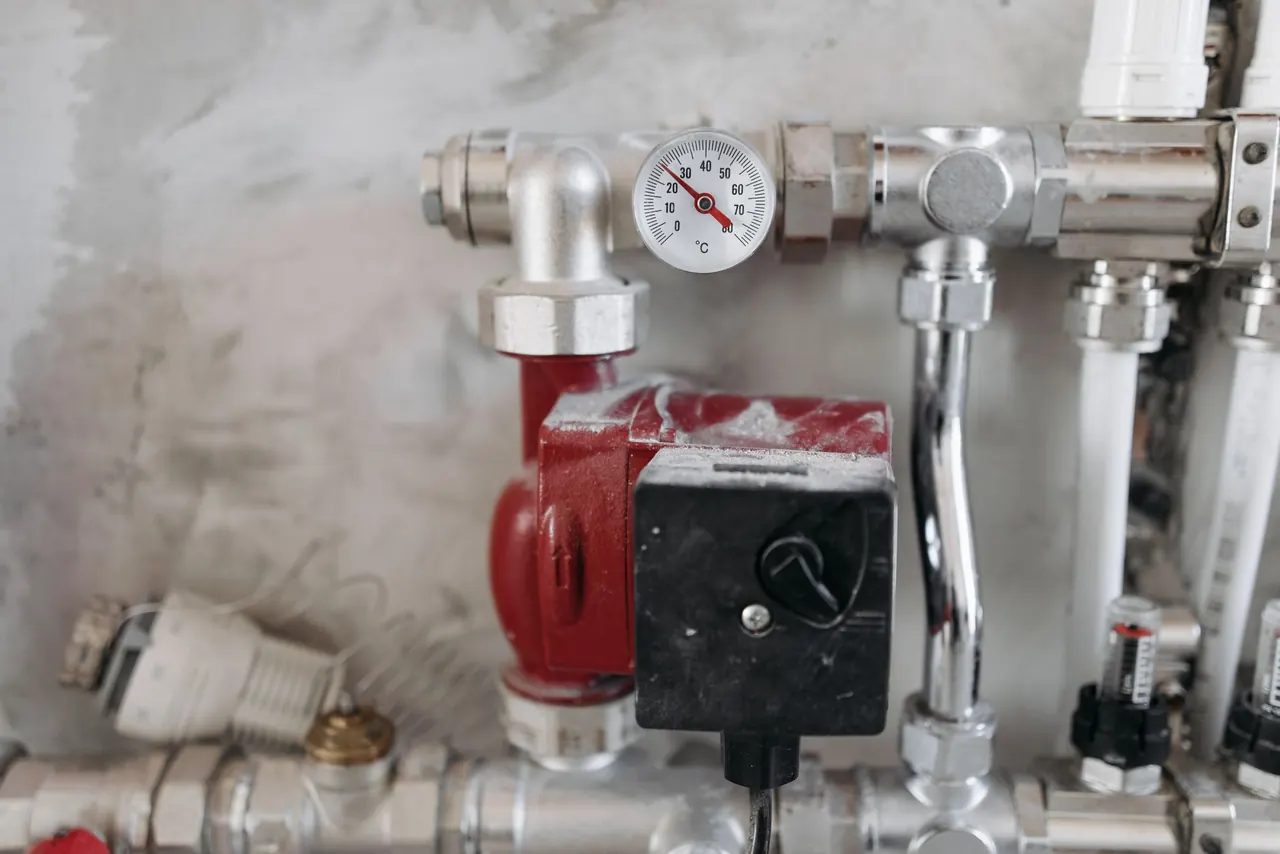 Test float switchCheck amp drawInspect discharge line
Our standard inspection covers the full pump system: pump, float switch, check valve, discharge line, pit, and battery backup if present. Repairs and replacement parts are quoted separately and only done with your approval. You get a written summary with photos either way.
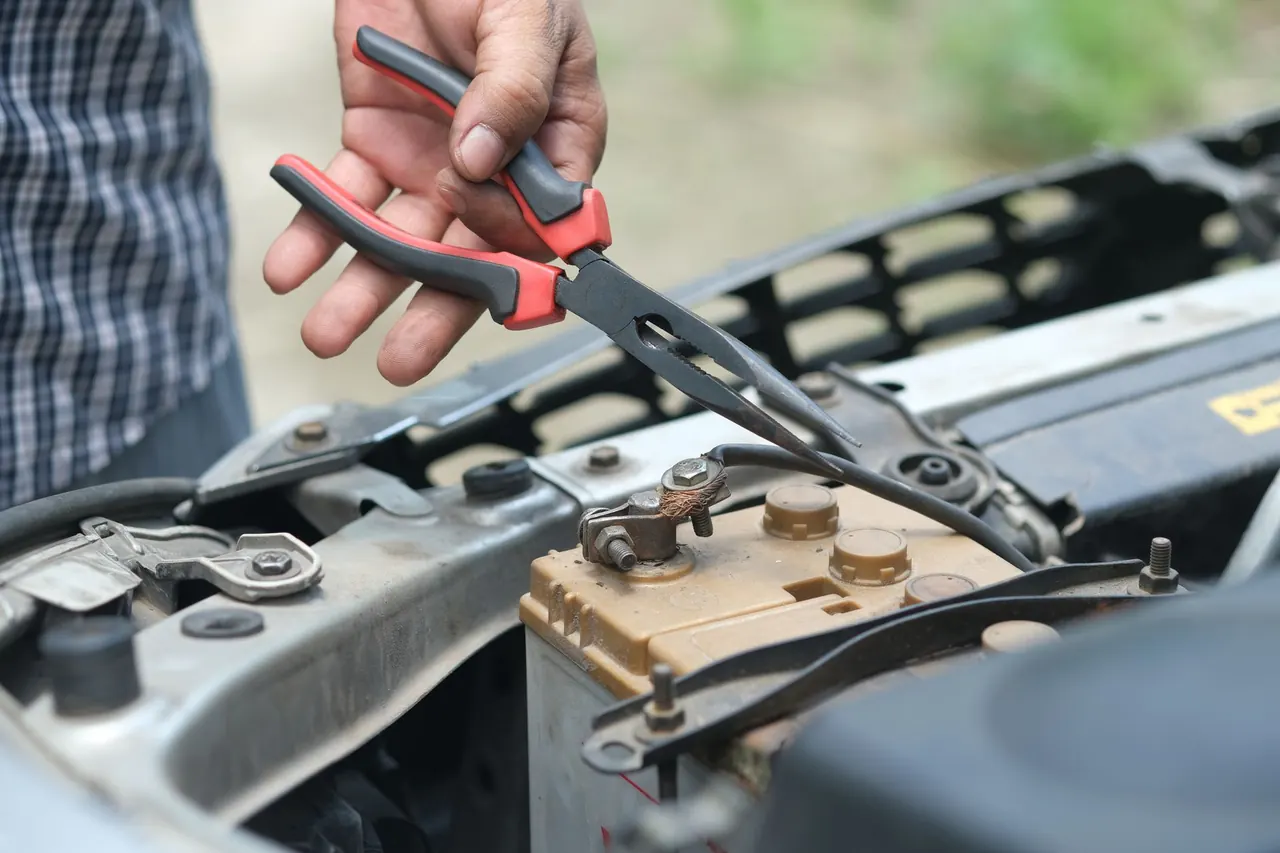
We pull the pump from the pit and inspect the housing, gasket, and impeller for wear or debris. The pump is bench-tested and then run under live water to confirm it moves the expected volume without overheating or short cycling.
We cycle the float switch through its full travel by hand and then let the pump run to confirm it trips at the correct water level. A switch that sticks or hesitates is flagged for cleaning or replacement before it fails during a storm.
We inspect the check valve for backflow, confirm the PVC discharge pipe and hose clamps are secure, and verify the line drains at the correct slope away from the foundation. A clogged or leaking line is cleared or repaired on the spot when possible.
Using a multimeter, we measure amp draw against the motor nameplate and check the outlet, cord, and any battery charger. High amp draw means the motor is failing. We record the reading so you have a baseline for future inspections.
We check the sump pit liner for cracks, gravel intrusion, and debris that can jam the impeller. The pit is cleaned with a wet/dry shop vac, and we confirm the pump sits level and the lid seals properly.
If you have a battery backup system, we test the battery voltage, charger output, and switchover under load. A battery that will not hold a charge or a failed charger is noted in the report so you can replace it before the next power outage.
The approach is the same for a home and a business. What changes is the access, the schedule and who needs the paperwork.
Your sump pump protects your basement, crawlspace, and foundation from water damage. We inspect the full system and show you what we find.
Rental homes and multi-unit properties need working sump systems to avoid tenant complaints and water damage. We inspect each unit and document the findings.
A plain-language look at what Sump Pump Inspection involves and when it is needed.
See how it worksA sump pump inspection fort myers FL is a hands-on evaluation of your entire pump system, not a quick look at the pit. We pull the pump, test the float switch through multiple cycles, check the check valve for backflow, inspect the discharge line for clogs, and measure amp draw with a multimeter to catch a motor that is drawing too many amps before it burns out. We also check the pit for debris, gravel intrusion, and liner cracks that let groundwater seep back in.
Fort Myers sits on a flat water table that rises fast after a tropical system. A pump that ran fine in January can short-cycle or stop entirely by August. That is why we recommend a sump pump check fort myers homeowners can schedule before hurricane season, ideally in late spring, and again after any named storm passes. If you are buying or selling a home, a real estate sump pump inspection fort myers can flag a failing check valve or a battery backup that will not hold a charge.
A sump pump inspection confirms your pump will move water when the storm arrives.
Every visit follows the same five-step sequence. You get a clear picture of what is working, what is marginal, and what needs attention before the next storm.
We lift the lid, inspect the sump pit liner for cracks, and check for gravel or debris that can jam the impeller. The pump comes out for a bench check of the housing, gasket, and impeller. This step takes about 15 minutes and tells us whether the pump is worth keeping or should be replaced.
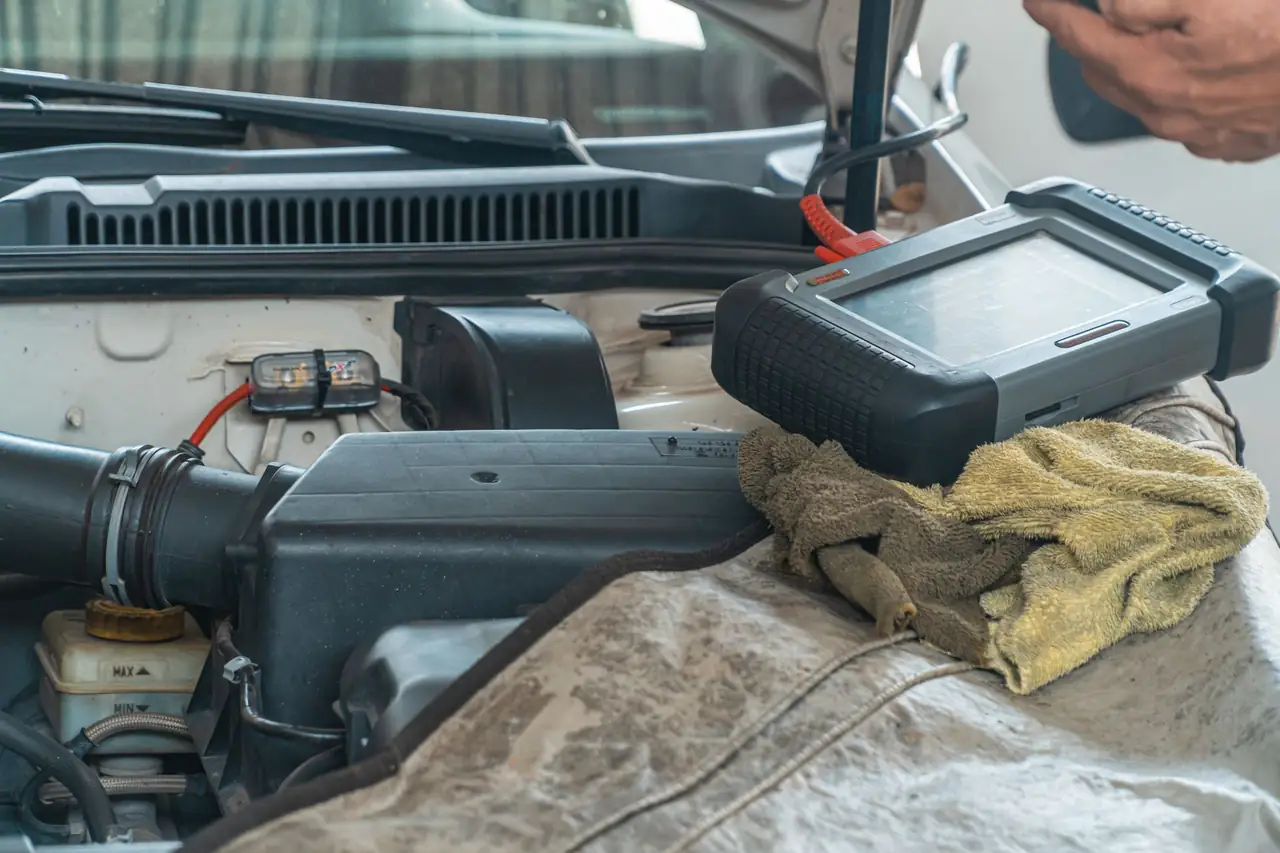
We cycle the float switch by hand through its full range, then let the pump run under live water. A float switch that hesitates, sticks, or trips at the wrong water level is the most common cause of a pump that will not turn on. We test both the primary and any backup float.
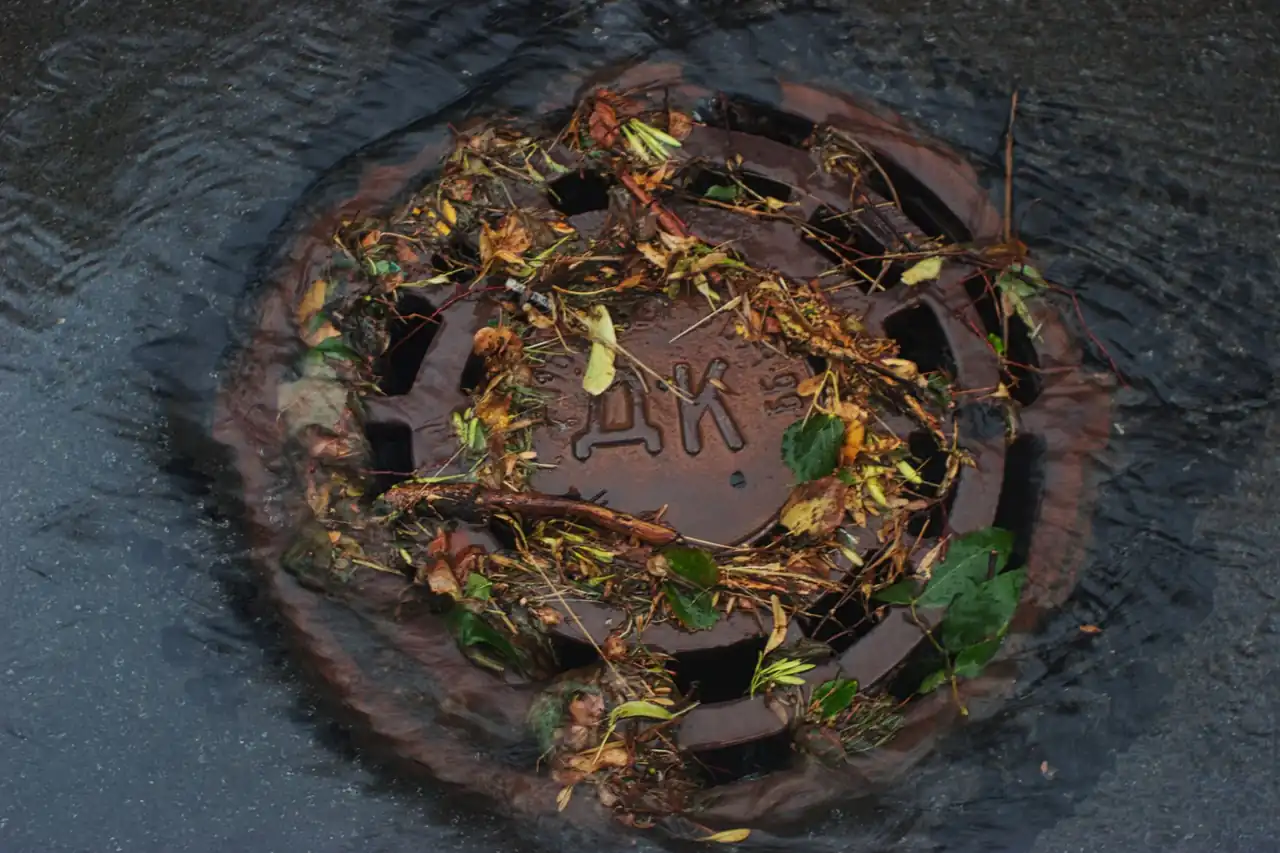
We inspect the PVC discharge pipe, hose clamps, and check valve for leaks or backflow. A check valve failure lets water drain back into the pit and makes the pump run continuously. We confirm the line drains at the correct slope and is clear of roots or debris.
Using a multimeter, we measure amp draw against the motor nameplate rating. A pump drawing high amps is on its way out. We also check the outlet, cord condition, and any battery backup charger to confirm the battery is holding voltage and the charger is working.
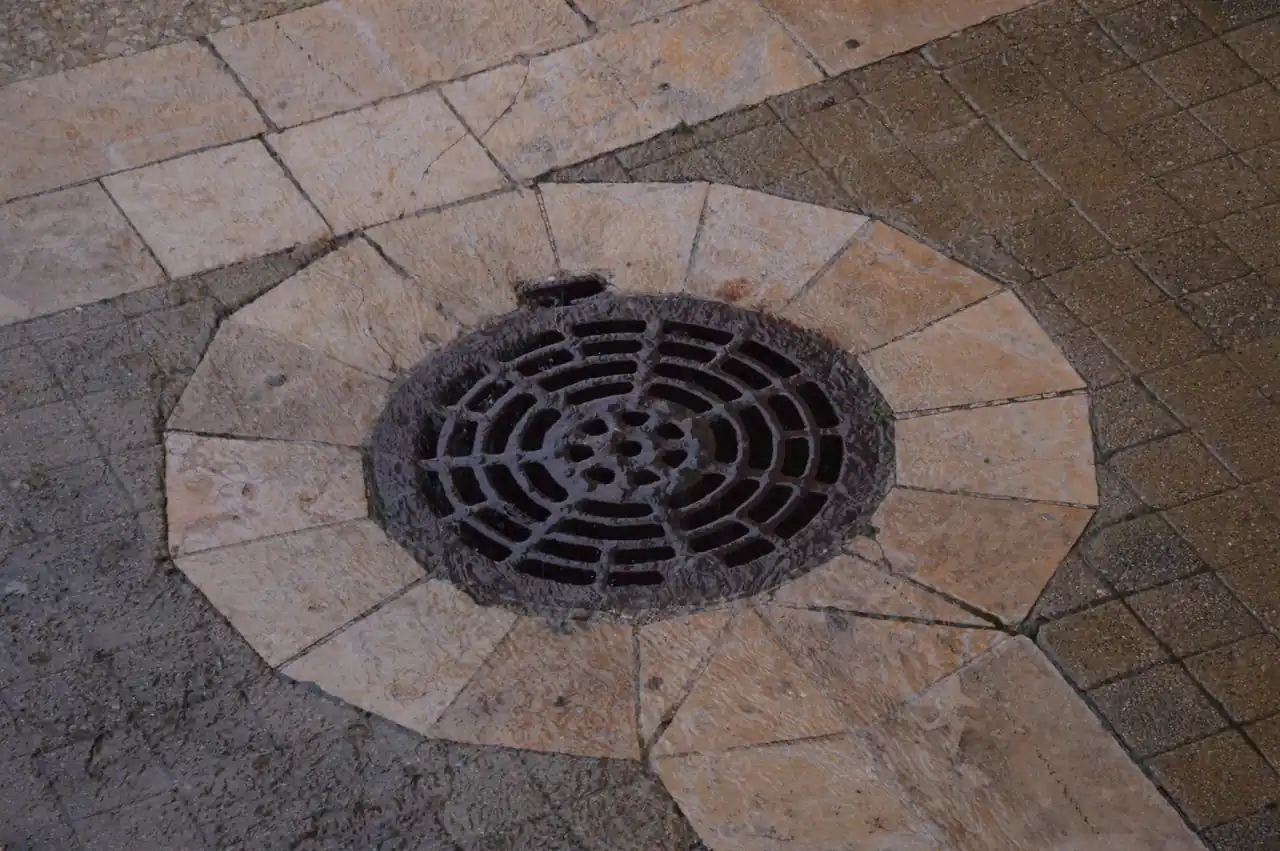
We walk you through what we found, show you photos of any problem areas, and give you a written summary with priorities. If a repair or replacement is needed, we quote it on the spot. If everything checks out, you get a clean bill of health and a suggested re-check date.

Move across a circle, or focus it and press Enter, for an illustrative thermal view of the photograph.
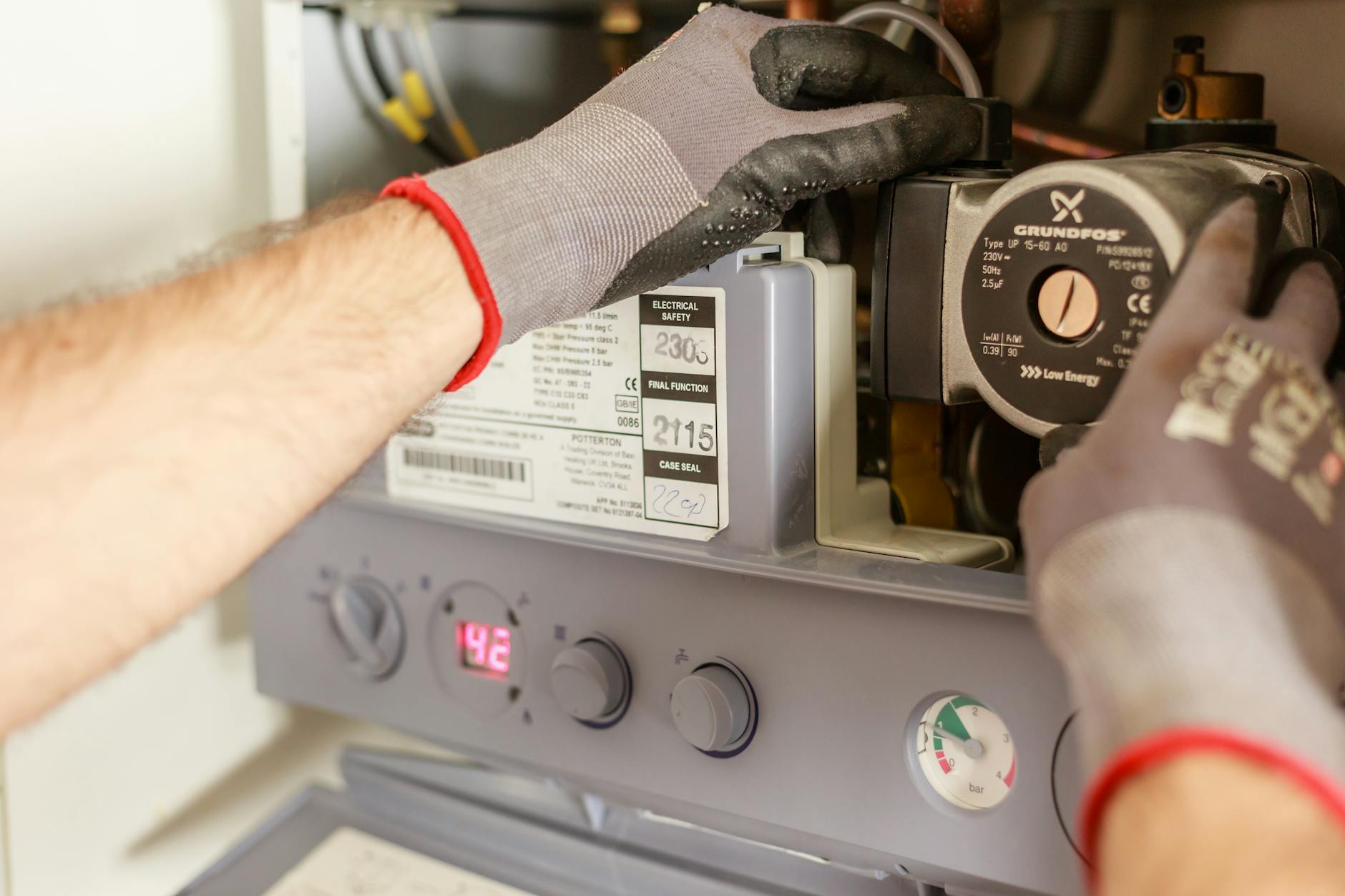
We measure amp draw against the motor nameplate to catch a pump that is drawing too many amps and heading for failure. This reading is recorded in your report.
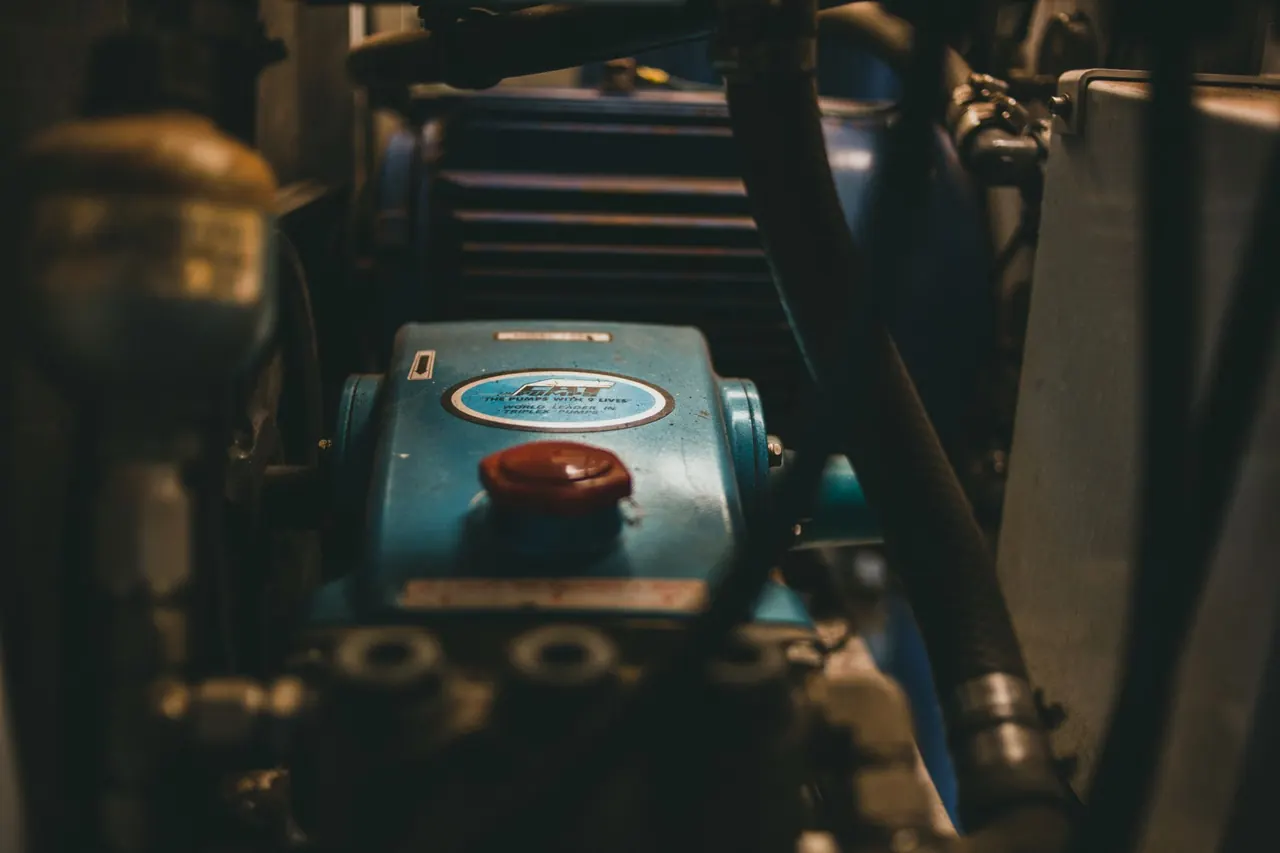
We vacuum debris, gravel, and silt from the sump pit before testing the pump. A clean pit keeps the impeller clear and helps the float switch travel freely.
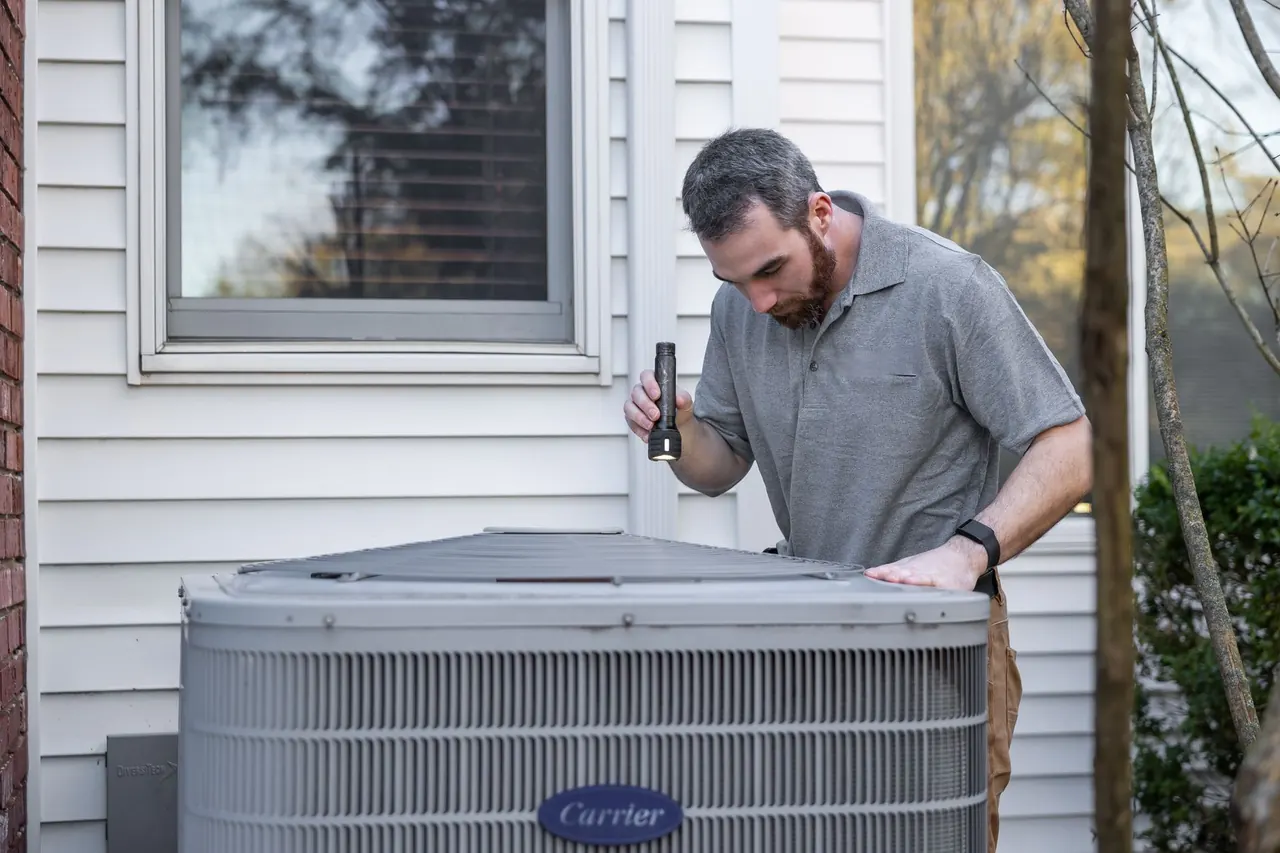
We clear clogs in the discharge line and check valve that would otherwise make the pump run continuously or stop moving water entirely.
We cycle the float switch through its full travel range and confirm it trips at the correct water level, both for the primary pump and any backup.
We test backup batteries from Basement Watchdog and Glentronics under load to confirm they will actually run the pump during a power outage.
Thermal views are illustrative, generated from the photographs.
We carry common PVC pipe, check valves, hose clamps, and gaskets so we can repair a failed discharge line or check valve during the same visit.
We cycle the float switch by hand through its entire travel range, then let the pump run under live water. A switch that hesitates or trips at the wrong level is flagged for cleaning or replacement before it fails during a storm.
We measure amp draw with a multimeter and compare it to the motor nameplate rating. A reading above the rated amps means the motor is failing. We record the number so you have a baseline for the next inspection.
We confirm the check valve seals and holds water after the pump shuts off. A leaking check valve lets water drain back into the pit and makes the pump short cycle, which burns out the motor.
We verify the discharge line slopes away from the foundation and drains far enough to keep water from returning. This follows local plumbing code and Florida Building Code requirements for drainage.
We inspect the outlet, cord, and any battery charger for code compliance and safe operation. A pump plugged into an unprotected outlet is a shock risk during a flood event.
You are buying or selling a home in Fort Myers and the inspection period is open.
We perform a real estate sump pump inspection fort myers realtors can rely on, covering the pump, float switch, check valve, discharge line, and battery backup. You get a written report with photos that documents the condition of the system.
Outcome: Buyers and sellers get a clear picture of what works and what needs repair, which helps the deal close without last-minute surprises.
It is May or June and hurricane season is about to start.
We run a pre-season sump pump inspection before hurricane season fort myers homeowners schedule to confirm the pump, float switch, and battery backup are ready. If a part is marginal, there is still time to replace it.
Outcome: You enter storm season knowing your pump will run when the power flickers and the rain starts.
Your pump has not been checked in more than a year.
We pull the pump, test the float switch through full cycles, check the check valve, and measure amp draw. We clean the pit and document the condition of every component in a written summary.
Outcome: You get a baseline reading and a clear list of any repairs needed, so you are not guessing about the pump's condition.
You noticed the pump running longer than usual or cycling on and off.
We troubleshoot the float switch, check valve, and discharge line to find the cause. Short cycling and continuous running usually trace back to one of those three components, and we fix it during the visit when possible.
Outcome: The pump returns to normal cycling, which extends its life and lowers your electric bill.
A storm just passed and you want to confirm nothing was damaged.
We run a post-storm check covering the pump, float switch, discharge line, and battery backup. We clear any debris that washed into the pit and test the system under load.
Outcome: You know whether the storm left you with a repair need or a clean bill of health before the next system arrives.
Fort Myers sits on a flat, sandy water table that rises quickly after a tropical system. Pumps here work harder than in most of the country because the water table can climb within hours of a heavy rain. We schedule most sump pump inspection service fort myers FL appointments in May and June, before hurricane season, and run a post-storm route in September and October.
Homes in older neighborhoods like McGregor and the Historic River District often have original pits and discharge lines that need updating to meet current Florida Building Code and local plumbing code. Newer construction in Gateway and Reflection Isles tends to have deeper pits and battery backup systems, which we test under load.
If you are searching for a home sump pump inspection fort myers providers offer, we cover the full county.
Before: A homeowner in McGregor called because the sump pump was cycling on and off every few minutes, even when the pit was nearly empty. The pump had been running that way for weeks, and the electric bill had climbed. Our inspection found a check valve that was leaking water back into the pit after each cycle.
After: We replaced the check valve and re-secured the PVC discharge line with new hose clamps. The pump now runs one full cycle and shuts off cleanly. Amp draw dropped back to the motor nameplate rating, and the homeowner reported the pump running normally through the next heavy rain.
We recommended a spring inspection before hurricane season and a check of the check valve every six months. A leaking check valve is the most common cause of short cycling, and it is a quick fix when caught early.
Before: A Gateway homeowner scheduled a pre-season inspection in June. The primary pump tested fine, but the battery backup would not hold a charge. The battery read low voltage and the charger was not putting out the correct amperage. A power outage during a storm would have left the pit unprotected.
After: We replaced the battery and charger with Basement Watchdog components and tested the switchover under load. The backup now runs the pump for the full rated cycle when the primary power is cut. The homeowner entered hurricane season with a working backup system.
We suggested testing the backup battery every three to four months by unplugging the primary pump and letting the backup run. That simple test confirms the battery still holds a charge between annual inspections.
Before: A San Carlos Park homeowner noticed the pit was not emptying fully after heavy rain. The pump ran but water kept returning. Our inspection found a clogged discharge line and a worn impeller. The pump was overheating from the extra load and drawing high amps.
After: We cleared the line with a drain snake, replaced the worn impeller, and confirmed the discharge line sloped correctly away from the foundation. The pump now empties the pit in under a minute and amp draw is back within the nameplate range.
We recommended checking the pit for debris every few months and scheduling a professional inspection each spring. Keeping the discharge line clear prevents the motor from overheating and extends the pump's life.
Most sump pump failures we see in Fort Myers start small and get worse. A stuck float switch, a clogged discharge line, or a weak battery backup all lead to the same result: water where you do not want it. Here is what we find and fix.
A working sump pump keeps your basement dry and your foundation protected.
A float switch that sticks or a check valve that leaks by can go unnoticed for months. We test both through full cycles and measure amp draw on the motor. Catching a burned motor or clogged impeller during an inspection costs a fraction of a flooded floor repair.
Water that pools around a foundation in Fort Myers softens soil and works into block walls. A sump pump evaluation fort myers FL homeowners trust checks that the pump moves water away from the house, not just out of the pit. We verify the discharge line slopes correctly and drains far enough from the slab.
Pumps that short cycle from a stuck float switch burn out years early. We clean the pit, clear debris from around the impeller, and confirm the check valve seals. A pump that runs clean cycles can last its full service life instead of being replaced every few seasons.
A sump pump inspection before hurricane season fort myers residents schedule in May or June gives you time to replace a weak battery backup or a cracked discharge pipe before the first named storm. Waiting until a warning is issued leaves no time for parts or a service call.
What a written scope covers and what shapes it. Prices are set by the business after the first look.
Included
Depends on
Clear records you can keep and share.

Summary of findings with photos
Motor draw compared to nameplate
Images of pit, pump, and valve
Pricing for any recommended work
Most Fort Myers homes have a submersible pump, but pedestal pumps are still common in older pits. Each has a different inspection sequence.
Motor sits inside the pit, sealed against water.
Motor sits above the pit on a pedestal.
A secondary pump that runs on battery power.
A list like this tells people straight away whether you cover their street. Not listed? Call and ask: it only takes a minute.
Based in fort myers and covering the places around it. Pick one for local details.
If we find a failed part and you approve the repair during the visit, the inspection fee is often credited toward the work. Pricing depends on whether you have a battery backup system and how accessible the pit is.
A standard inspection includes pulling and testing the pump, cycling the float switch, checking the check valve for backflow, inspecting the discharge line for clogs, measuring amp draw with a multimeter, and checking any battery backup system. We also inspect the pit liner and clear debris. You get a written summary with photos and a list of any recommended repairs.
We recommend a sump pump check in fort myers Florida twice a year: once in late spring before hurricane season and once in the fall after storm season ends. If your pump runs frequently during heavy rain, or if it has been more than a year since the last inspection, schedule one sooner. Homes with a battery backup should test the battery every three to four months.
Sump Fix Masters performs sump pump inspection in fort myers, Florida for homeowners, realtors, and property managers across Lee County. We are a local plumbing company with technicians who work on submersible and pedestal pumps daily. Call +12392350546 to schedule. If you need a professional sump pump inspection near me fort myers search, we cover Downtown, McGregor, Gateway, and surrounding areas.
Other services from the same team.
One inspection now can save you a flooded floor later. We are a local plumbing company serving Fort Myers and Lee County with same-day scheduling and written findings. Call +12392350546 to book your inspection before the next storm.
Call us at +12392350546 or send a message and we will get back to you the same business day. We answer questions about pump repair, replacement, and battery backups before you commit to anything. If your pit is filling now, call instead of writing.